What to Know Before Your Next Auto Repair Appointment
Key Takeaways
- Research and select a reputable auto repair shop for trustworthy service.
- Bring your vehicle’s maintenance history and clearly describe your concerns.
- Familiarize yourself with consumer rights and request estimates in writing.
- Communicate symptoms clearly and avoid self-diagnosing issues.
- Always review your invoice thoroughly before payment and maintain records.
Table of Contents
- Choosing the Right Auto Repair Shop
- Preparing for Your Appointment
- Understanding Your Rights
- Effective Communication with Your Mechanic
- Reviewing the Final Invoice
- Conclusion
Knowing how to approach your next auto repair appointment can protect your investment and give you peace of mind. Navigating the world of car maintenance involves more than simply booking an appointment; preparation and understanding are crucial for a smooth experience. Before you head to the shop, ensure you know what to expect, what to ask, and how to advocate for yourself as a car owner. If you’re in British Columbia, this guide on Auto Repair in Victoria, BC offers a detailed perspective on what happens during a standard repair visit in the region.
Whether you drive a new vehicle or a trusted older model, taking a proactive approach to repairs can extend the life of your car. Arriving well-prepared builds trust with your mechanic and empowers you to make informed choices about your car’s health and repair budget. The steps you take before, during, and after your appointment can significantly impact your overall experience and satisfaction.
This article covers everything from finding the right shop and preparing your documents to understanding your consumer rights and reviewing the final invoice. By becoming an informed customer, you’ll have confidence that your car is cared for properly and transparently—without unwanted surprises.
For additional information about how to handle common vehicle maintenance issues and keep your car running reliably, consult this comprehensive guide from Consumer Reports.
Choosing the Right Auto Repair Shop
Finding a reputable auto repair shop is a foundational step. Word-of-mouth recommendations from friends, family, and coworkers are often the most trusted method. Explore online reviews, including those posted on established platforms such as the Better Business Bureau (BBB) and Google Reviews. Legitimate shops typically display certifications such as the Automotive Service Excellence (ASE) seal, which signals the technicians’ proficiency. You should also check if the shop is licensed and whether it has a clean complaint record on the BBB’s official website. These measures decrease the chances of overcharging or incomplete repairs and can help you find a business you’ll feel comfortable returning to for future appointments.
Preparing for Your Appointment
Preparation saves time and supports accurate diagnostics. Collect maintenance records, including previous invoices and notes on repairs or issues. This documented history gives your mechanic valuable context, allowing for a more thorough evaluation. Write down specific symptoms or problems you’ve noticed—such as unusual sounds, leaks, or dashboard warnings. Providing your technician with clear, detailed information about your car’s history and recent changes makes diagnosis more efficient and helps prevent unnecessary work. The more upfront information you offer, the less likely your appointment will result in unexpected delays or miscommunication.
Understanding Your Rights
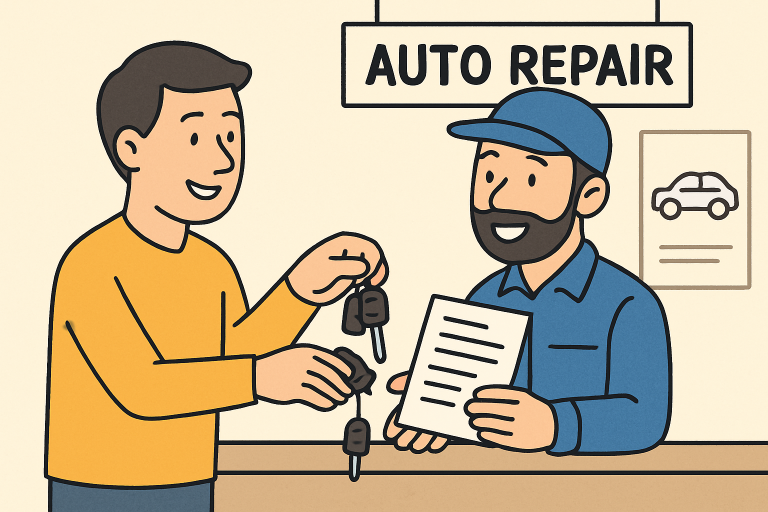
Consumer protection in the auto repair industry varies by province or state, but universal fundamental rights exist. You should always receive a written estimate before any work begins; never authorize repairs based solely on a verbal quote. This is a legal requirement under the Automotive Repair Act in places like California. You also have the right to request the return of parts replaced during service, which helps prevent dishonest billing. Reviewing consumer rights on your local government’s website or via national resources, such as USA.gov’s repair shop consumer page, ensures you’re not taken advantage of and receive proper documentation for all repairs performed.
Effective Communication with Your Mechanic
Clear dialogue with your mechanic prevents misdiagnoses and additional costs. Never diagnose the issue yourself; instead, describe what you’ve observed regarding sounds, performance changes, or the timing of the problems. Ask questions if anything is unclear and request that all recommended repairs be explained in simple, understandable terms. When you don’t understand a technical term or procedure, a reputable mechanic will be patient and transparent. Direct, honest communication helps address your concerns without unnecessarily upselling or ambiguity in service recommendations.
Reviewing the Final Invoice
After your appointment, review the final invoice line by line. Confirm that all charges reflect the estimate you approved and that all parts and labor explanations are clear. If additional items or costs have been added, ask for a detailed justification before payment. Keeping copies of your invoices is essential for warranty purposes and can be invaluable in future disputes. Following this step can prevent billing errors and help you spot repeat issues. For more in-depth advice on reviewing auto repair bills, see NerdWallet’s guidance.
Conclusion
Preparing well for an auto repair appointment gives you confidence and ensures your vehicle receives quality service. You become an empowered car owner by researching repair shops, maintaining records, knowing your rights, communicating clearly, and reviewing invoices. These steps protect your wallet and keep your car on the road longer, delivering safe and reliable transportation for years to come.