Why Pets Cough and Sneeze More Often Than You Think
Key Takeaways
- Pets commonly cough and sneeze due to a variety of everyday triggers, some of which can signal underlying health concerns.
- Environmental factors, infectious diseases, allergies, and foreign objects are the main reasons pets develop respiratory symptoms.
- Monitoring new or worsening symptoms is key, and regular veterinarian check-ups are essential for early detection and effective treatment.
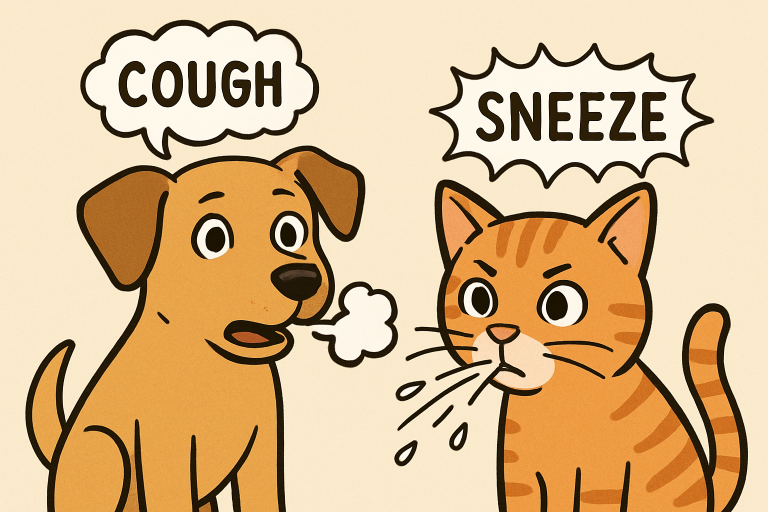
Pets are beloved members of our families, and just like people, they have respiratory systems that can be sensitive to many triggers. If you’ve observed your cat or dog emitting repeated coughs or sneezes, it’s important to understand that these occurrences are more common—and sometimes more complex—than many owners realize. For concerned pet parents wondering, why is my cat coughing, uncovering the reasons behind these symptoms can help address both mild irritations and potentially serious health conditions quickly. Occasional coughing or sneezing in pets is usually not a cause for alarm. However, if your pet is experiencing these symptoms frequently or persistently, it could indicate underlying health concerns that need prompt attention from a veterinarian. Taking action early, rather than assuming the symptoms will pass, helps safeguard your pet’s respiratory well-being and supports a happier, healthier life for your furry companion.
Common Causes of Coughing and Sneezing in Pets
Persistent coughing and sneezing in household pets can originate from several sources. Knowing the root cause is the first step toward determining the proper care and ensuring your pet’s comfort:
- Respiratory Infections: Just as people catch colds or the flu, pets are vulnerable to upper respiratory infections from viruses or bacteria. In dogs, conditions such as kennel cough—caused by Bordetella bronchiseptica or canine parainfluenza virus—lead to characteristic hacking coughs, sneezes, and sometimes thick nasal discharge. Cats, too, can suffer from respiratory infections, like feline herpesvirus or calicivirus, with sneezing being a primary symptom.
- Allergies: Both dogs and cats can react to everyday allergens such as pollen, dust mites, or mold. While allergies in pets often appear as skin irritation, it’s not uncommon for respiratory symptoms like sneezing or coughing to develop, especially during high-allergen seasons.
- Environmental Irritants: Smoke from tobacco, household cleaning sprays, scented candles, and perfume can all irritate pets’ sensitive airways. Prolonged or repeated exposure can exacerbate respiratory symptoms, particularly in pets with pre-existing conditions like asthma.
- Foreign Bodies: Pets that love to explore or play may accidentally inhale small objects, grass seeds, or dust particles. These foreign bodies become lodged in the nasal passages or throat, causing bouts of sneezing or choking coughs until the irritant is dislodged or removed by a vet.
Understanding which signs are mild and when symptoms could indicate a more severe problem can make a substantial difference in your pet’s recovery and comfort. Guidance from reputable sources like the American Kennel Club can be invaluable for pet owners eager to keep their animals healthy.
Recognizing When to Seek Veterinary Care
While mild or rare sneezes and coughs are common, there are critical signals every pet owner should watch for. Seek prompt veterinary attention if your pet experiences any of the following:
- Persistent coughing or sneezing that continues for more than a few days
- Thick or colored discharge from the nose or eyes
- Difficulty breathing, wheezing, or noisy respiration
- Lethargy, reduced appetite, or any behavioral changes
Failure to address these symptoms can lead to the rapid escalation of an infectious disease or the worsening of underlying conditions such as heart disease, bronchitis, or immune-mediated issues. Timely intervention can be lifesaving and is central to good pet stewardship, as recommended by numerous veterinary health authorities.
Preventive Measures to Protect Your Pet
Prevention is always better than a cure. Some everyday actions can significantly minimize your pet’s risk of suffering from chronic coughing or sneezing:
- Keep your pet current on vaccinations—especially important for boarding, daycare, or park visits—to guard against contagious respiratory infections.
- Maintain a clean and dust-free home environment. Frequently vacuum carpets, wash bedding, and eliminate the use of air fresheners or household sprays near your pet.
- Monitor your pet’s interactions, especially with unknown animals or pets displaying visible signs of illness in communal settings.
- Feed a balanced, high-quality diet supporting strong immunity and respiratory health.
Recent Developments in Pet Respiratory Health
There has been a recent uptick in mysterious respiratory illnesses in dogs, causing concern among pet owners and veterinarians alike. Characterized by persistent coughing and sneezing, this new syndrome is still being researched, with infectious and environmental causes under scrutiny. Many experts advise owners to monitor their pets closely and consult a veterinarian if symptoms are prolonged or worsening.
Conclusion
Frequent coughing and sneezing in pets often signal something beyond a minor irritation. Recognizing the difference between harmless symptoms and those that indicate significant health issues empowers pet parents to act swiftly and proactively. By pursuing early intervention, practicing preventive care, and staying informed, you can help your pet avoid unnecessary suffering and enjoy robust respiratory health well into their senior years.