Foot Massage Explained: Techniques, Pressure Points, and Benefits
Most of us barely notice our feet. They just get us from point A to B, no fuss. So when self-care comes up, let’s be honest—feet are an afterthought. But here’s the thing: a quick foot massage does wonders for your mood and body, more than you’d guess. You don’t need some fancy tool or a spa trip—just your hands (maybe some lotion) will do.
You can pay someone, talk a partner into it, or tackle it yourself. It’s not complicated. Learn the basics and you’ll see a difference.
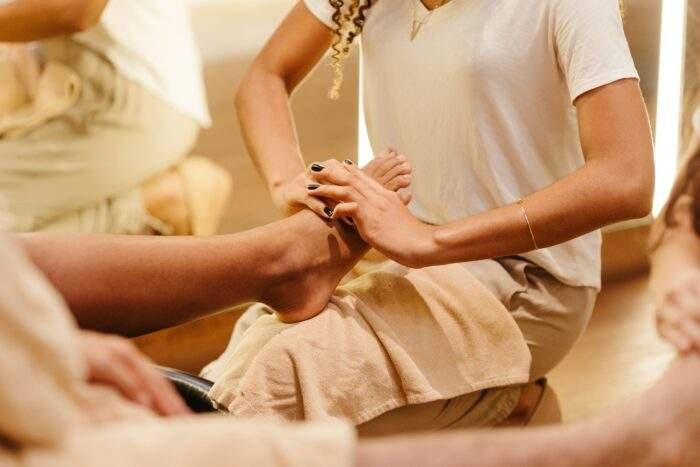
What’s a Foot Massage, Anyway?
It really is as simple as it sounds—using your hands (and sometimes lower arms) to work on your feet, ankles, maybe a bit of your lower leg. The whole idea? Loosen those tight muscles, get blood moving, give your brain a break from stress. You use light strokes, kneading, a bit of pressing or stretching. Sometimes you’re just after comfort. Sometimes people go into reflexology, but you don’t need to buy into all those theories to enjoy the results.
A simple two-minute foot massage can help you relax. People have used foot massages for years because they’re an easy way to unwind and feel more comfortable.
How to Massage Your Feet in a (Pretty Great) Way
It all comes down to a handful of moves. Once you know them, you’re set.
1. Effleurage
Start easy—long, sweeping strokes with your palms or thumbs, moving from toes toward your ankle. It wakes your foot up and helps you relax.
2. Kneading
This one feels like working dough. Squeeze and roll the soft parts between your fingers and thumbs, especially in the arch and ball of your foot. That’s where the tension likes to hide.
3. Thumb Walking
Stick your thumb in and walk it forward in tiny steps across your sole. Some say it’s reflexology, but honestly, you don’t need a chart—just know it feels great.
4. Percussion
To assist loosen it up, cup your palm and softly pat the bottom of your foot or lightly tap along the sole. It’s a great finish and perks you up so you don’t just zone out completely.
5. Compression
Press your whole palm down on your foot—firm but steady, don’t go overboard. It’s grounding, and a nice way to wrap things up.
Some Pressure Points that Feel Amazing
Reflexology maps connect certain spots on your feet to other parts of your body. Believe it or not, it doesn’t matter: these areas usually just feel good.
- The Arch: Supposedly tied to your lower back and digestion. Either way, firm circles here help after lots of sitting or standing.
- Ball of the Foot: Right under your toes—linked to breathing, they say. A little kneading here can be soothing.
- Heel: Some say it connects to your hips. The skin’s thicker, so feel free to use more pressure.
- Between the Toes: These little webs are apparently linked to your head and sinuses. Who knows, but pressing here at the end of a long day feels great.
- Middle of the Sole: The dead center is an awesome spot for overall relaxation. Press, breathe, and chill.
- Big Toe: Said to be linked to your head and neck. Give yourself a gentle rub if you’ve spent hours staring at screens.
You’ll feel lighter and more rooted after only a few minutes for your feet. It really doesn’t require much.
Why bother?
- Less Stress and Anxiety: A good foot rub cuts stress fast. This is helpful when you’re running low on resources.
- Better Circulation: All that massaging gets your blood flowing, especially after hours spent sitting around or traveling.
- Fewer Aches and Pains: Sore feet from lousy shoes or long days? Some of the pain is untangled by massage.
- Improved Sleep: You may relax the rest of your body by relaxing your feet. Try it before bed—you’ll probably zonk out sooner.
- Feel-Good Mood: Touch alone sends your brain into “happy mode.” You’ll leave less cranky and more clear-headed.
- Headache Relief: The right spots on your feet can actually take the edge off tension headaches. No medication, just hands.
- Less Swelling: A foot massage might assist release trapped fluid in those who travel or spend a lot of time standing.
Who Benefits Most from This?
Pretty much everyone, but especially anyone who stands all day, travels, works out hard, or just feels strung out. If you’ve got medical stuff like diabetes or poor circulation, talk to your doctor before you go deep on this.
How to Give Yourself a Foot Massage
There’s nothing to it:
- Cross one foot across your knee while seated.
- Glide your hands from your toes up to your ankle a few times.
- Knead the arch and ball of your foot in slow circles with your thumbs.
- Press and hold the center of your sole for ten seconds.
- Twist and gently pull each toe.
- End with some light tapping on the sole.
- Switch feet and repeat.
Five or ten minutes—that’s all it takes. If you like using lotion or oil, go ahead. If not, that’s fine too. Your body will enjoy it any way.
Conclusion
Foot massages might look simple, but they really do make a difference. Even a quick one can leave you feeling much better. They calm your mind, loosen up tight muscles, and let you drop whatever stress you’re carrying around. You can go all out at a spa, trade massages at home, or just sit back and knead your own feet for a few minutes—whatever works. It doesn’t get much easier or quicker to boost your mood. Sometimes, the best pick-me-up is right there, hiding in your shoes.