What to Expect from Modern IPL Photofacial Treatments
Key Takeaways
- IPL photofacials use broad-spectrum light to address various skin concerns such as pigmentation, redness, and sun damage.
- This minimally invasive treatment offers noticeable improvements in skin tone and texture with little to no downtime.
- Aftercare is essential to ensure maximum results and minimize potential adverse effects.
- Consultation with a qualified professional determines your candidacy and ensures safety, especially for those with specific skin types or health backgrounds.
Table of Contents
- Understanding IPL Photofacials
- Common Skin Concerns Addressed
- The Treatment Process
- Expected Benefits and Results
- Post-Treatment Care
- Potential Risks and Considerations
- Is IPL Right for You?
- Conclusion
Intense Pulsed Light (IPL) photofacial treatments have become a go-to option for individuals aiming to enhance their skin’s appearance without surgery. The increasing popularity of IPL facial procedures is due to their versatility and effectiveness in treating common skin concerns. Understanding the entire process, benefits, and proper care routines will help you achieve the best possible results and make a confident, informed decision about this treatment.
Men and women alike are choosing IPL because it targets skin imperfections with precision while requiring minimal recovery time. Whether you are concerned about sun spots, redness, or persistent uneven tones on your face, IPL photofacials deliver targeted light energy that addresses multiple skin issues at once. As technology has advanced, these treatments have become even more efficient, making it possible for more people to access healthier-looking skin safely and quickly.
The convenience and gentle nature of IPL also add to its appeal. Sessions are short, typically lasting less than half an hour, and you can return to daily activities almost immediately. As with any cosmetic procedure, education about what to expect and how to care for your skin afterward is essential for optimal results.
For anyone wondering about the full spectrum of benefits and what makes IPL an ideal choice, this guide provides an in-depth explanation from the science behind the treatment to post-care instructions.
Understanding IPL Photofacials
IPL photofacials work by emitting broad-spectrum light that penetrates the skin’s layers, focusing on pigmentation and vascular irregularities. Unlike laser treatments, which use a singular wavelength, IPL produces pulses of different wavelengths, targeting multiple issues in the same session. This adaptability makes IPL suitable for those with diverse skin concerns.
With advancements in technology, modern IPL devices provide precise control, helping practitioners tailor treatments to each individual’s needs. The result is a procedure that is customizable, comfortable, and efficient at reducing visible skin imperfections.
Common Skin Concerns Addressed
IPL photofacials are sought after for their versatility. Some of the most frequent skin concerns successfully treated include:
- Sun-damaged skin and resulting discolorations
- Brown or age spots caused by accumulated UV exposure
- Prominent blood vessels and capillaries
- Chronic redness, including symptoms of rosacea
- Uneven general tone and rough texture
- Large or visible pores
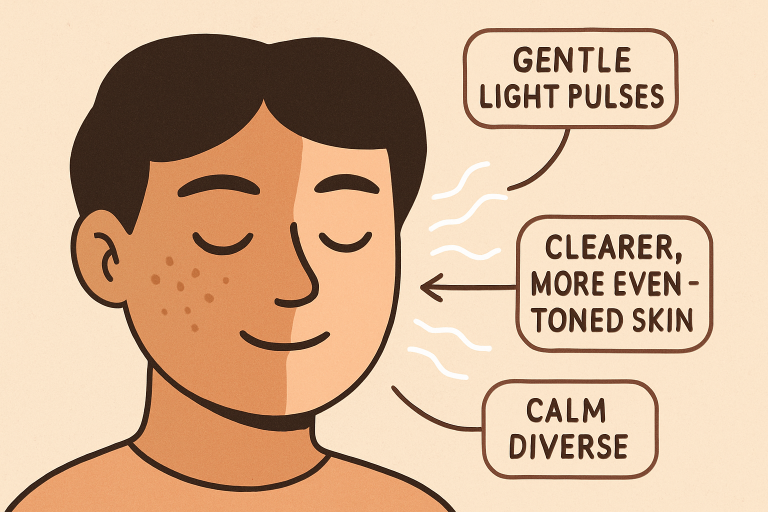
The treatment is not limited to the face. It is highly effective for the neck, décolletage, and hands, all of which tend to show early signs of sun damage and aging.
For a comprehensive review of IPL’s uses and scientific support, the Mayo Clinic overview of laser resurfacing can provide further insights into what makes this technology so widely adopted.
The Treatment Process
During an IPL photofacial, a practitioner begins by applying a cooling gel to the treatment area. This gel not only enhances comfort but also aids in optimal light transmission. The handheld IPL device is then gently pressed against the skin, emitting pulses of light. Most patients describe the sensation as a quick snap similar to a rubber band.
Sessions typically take between 20 and 30 minutes, though larger areas or combination treatments may require a bit longer. Because the treatment is non-ablative, meaning it does not remove skin layers, downtime is minimal. Most people can resume work and other regular activities on the same day.
Expected Benefits and Results
Post-treatment, improvements are often visible within a week, with skin gradually appearing more uniform and radiant. Key benefits include:
- Fading of brown spots and sun-induced discoloration
- Smoother, more even skin texture
- Reduction in facial redness and capillaries
- Prevention of early aging by stimulating collagen production
Optimal and lasting results generally require a series of treatments, spaced three to four weeks apart. Your specialist will recommend an appropriate plan based on your unique goals and skin characteristics.
Post-Treatment Care
Aftercare is essential for maximizing and maintaining your results. You should avoid direct sunlight, diligently apply broad-spectrum sunscreen, and keep your skin hydrated. If possible, steer clear of retinoids and other harsh skincare products for a few days. Only gentle cleansers and moisturizers should be used until the skin has fully recovered.
Some mild redness and swelling can occur but usually resolve within a day or two. Resist picking at any darkened spots as they naturally flake away, revealing clearer skin beneath.
Potential Risks and Considerations
Though safe and suitable for most healthy individuals, IPL is not entirely risk-free. Temporary redness, minor swelling, or darkening of pigmentation are possible but typically transient. Rarely, blistering or scabbing may occur, especially if aftercare guidelines are not followed.
Those with tanned or darker skin tones must exercise caution; improper settings could lead to discoloration. A thorough screening by a board-certified specialist is essential to determine candidacy and reduce adverse outcomes, especially for those with a history of skin conditions or sensitivities.
Is IPL Right for You?
IPL photofacial treatment is ideal for individuals with fair to medium complexions who wish to address persistent pigmentation, redness, or early aging signs. However, not all skin types or health histories are appropriate for IPL. If you have recently tanned, have certain medical conditions, or are taking specific medications, you may not be a candidate.
A consultation with a dermatologist or trained practitioner will assess your suitability. They can balance your desired outcomes, safety, and the likelihood of success, helping you make the best decision for your unique skin needs.
Conclusion
Modern IPL photofacial treatments offer a flexible and effective solution for a variety of skin concerns, with the added benefits of minimal recovery time and noticeable results. By learning about the process, understanding each phase of care, and seeking professional advice, you can safely and confidently revive your skin’s natural radiance.