How to Start a Rewarding Career as a Home Health Aide
Understanding the Role of a Home Health Aide
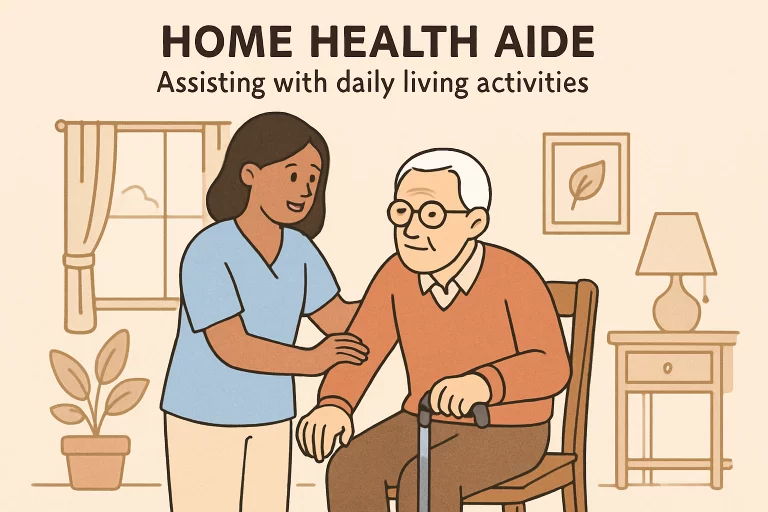
Home health aides are vital in the healthcare system, helping individuals live safely and comfortably at home. They do more than basic medical care, assisting with activities of daily living (ADLs) like bathing, dressing, toileting, grooming, and mobility. HHAs foster a caring environment by preparing meals, monitoring intake, giving medication reminders, and keeping health records. They provide emotional support through companionship, reducing feelings of isolation. Many also help with light housekeeping and transportation, acting as a link between clients, families, and healthcare providers. By enabling clients to stay home and maintain independence, HHAs significantly improve their quality of life.
Educational Requirements and Training
Entering the HHA profession generally requires a high school diploma or GED, although requirements may vary slightly by employer or state. More importantly, completing a formal training program equips aspiring HHAs with the foundational skills necessary to deliver safe and effective care. These training programs at community colleges, vocational schools, healthcare agencies, and reputable online providers cover essential topics such as anatomy, physiology, medical terminology, infection prevention, emergency procedures, and patient rights. Students also learn to assist with ADLs, manage basic medical tasks, and interact with individuals with cognitive impairments or specialized care needs. For busy individuals or those preferring flexibility, online programs such as the HHA certificate online allow you to study at your own pace while still meeting state-approved curriculum standards. These programs ensure you graduate with the knowledge and skills needed to begin a rewarding career in home health care.
Certification and Licensing
Becoming a certified home health aide involves meeting state-specific requirements to safeguard client well-being. Most states stipulate three fundamental steps: completing a state-approved training course, passing a competency exam that may include written and skills sections, and undergoing background checks and health screenings to validate your fitness for the job. Some states, particularly those participating in Medicare or Medicaid programs, require HHAs to complete a minimum number of supervised practical hours and continuing education throughout their careers. To ensure compliance, candidates should research the regulations of their state’s health or nursing board, as requirements may vary. Proper certification fulfills legal obligations and builds employer and client trust, affirming your dedication to high-quality and ethical care.
Developing Essential Skills
Although technical expertise is crucial for delivering high-quality care, the exceptional Home Health Aides (HHAs) are distinguished by their personal and interpersonal abilities. Compassion is at the profession’s core, guiding how HHAs interact with clients. Exceptional listening skills enable HHAs to grasp not only the words being spoken but also the emotions behind them. Effective verbal and nonverbal communication is crucial when working with diverse clients and their families. The role requires physical stamina for lifting and supporting clients and adapting to sudden changes. Cultivating patience, exercising discretion, and maintaining a commitment to client dignity are essential for enhancing the quality of care and fostering pride in the work.
Gaining Practical Experience
Theoretical knowledge is most valuable when applied practically. HHA training programs often include clinical practice components, helping students work with experienced professionals. Aspiring HHAs can enhance their confidence and employability by seeking additional hands-on experiences. Internships at hospitals or nursing homes provide practical exposure, while volunteer work with hospices or health initiatives broadens understanding of client diversity. Entry-level positions that offer job shadowing or mentorship also help connect classroom learning to the workplace. These experiences sharpen skills and build a strong resume, which is crucial for landing your first HHA job.
Job Search Strategies
To become a successful HHA, create a polished resume highlighting your education, training, certifications, and relevant experience. Utilize online job platforms focused on healthcare, and register with home health agencies and staffing services. Leverage personal networking by contacting instructors, joining caregiving associations, and attending job fairs. Apply directly to organizations that hire new HHAs, as they often provide additional training and orientation.
Continuing Education and Career Advancement
Home health care is rich with opportunities for ongoing education and professional advancement. Many HHAs use their foundational experience as a launching pad for further credentials, such as becoming a Certified Nursing Assistant (CNA) or a Licensed Practical Nurse (LPN), both of which open doors to more specialized or supervisory roles and increase earnings. Numerous workshops, seminars, and online training sessions allow HHAs to stay informed about the latest care techniques, technology, and best practices. Specialization in high-demand areas—such as dementia care, pediatric home care, or palliative care—can further distinguish you from your peers. As you advance in your career and enhance your skills, you may take on training roles to mentor the next generation of HHAs.