How to Identify Common Patio Issues and Repair Them
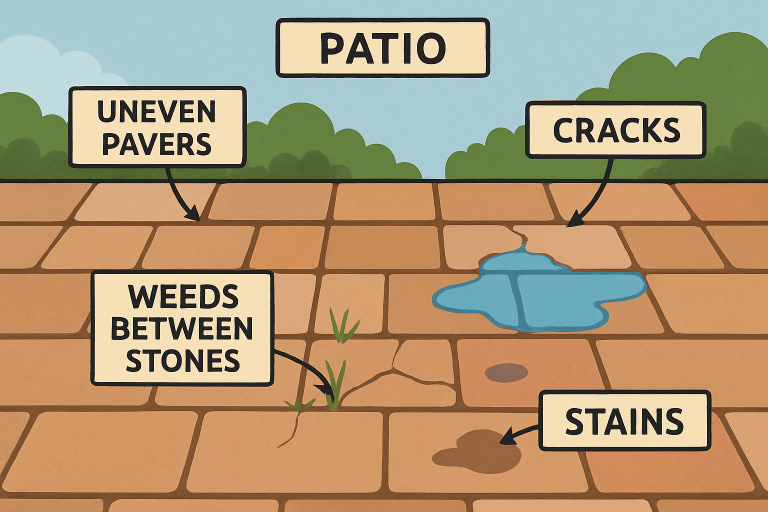
Maintaining a patio is essential for preserving your home’s outdoor aesthetics and ensuring a safe, enjoyable environment for relaxation or gatherings. Patio surfaces, whether made from pavers or concrete, are constantly exposed to the elements, foot traffic, and the natural movement of the ground beneath. As a result, common problems such as uneven pavers, cracks, weed growth, and stains can develop over time.

Addressing these issues early can help prevent extensive damage and costly repairs.
1. Uneven or Sunken Pavers
One of the most frequent patio problems, uneven or sunken pavers, not only impacts your patio’s visual appeal but can also create dangerous tripping hazards. This occurs when the base beneath the pavers settles unevenly, often due to soil erosion, inadequate compaction, or long-term wear and tear. For homeowners dealing with this issue, seeking professional patio repair Winchester, VA, can ensure the problem is adequately assessed and corrected, restoring both safety and aesthetics to your outdoor space.
How to Repair:
- Remove the misaligned pavers and set them aside.
- Examine and recompact the underlying base material to provide a stable foundation.
- Add a fresh layer of sand to fill any voids and resettle the area so it’s level.
- Carefully reinstall the pavers, checking that they are flush with the adjacent surface.
2. Cracks in Concrete Patios
Cracks may appear in concrete patios due to factors like ground movement, freeze-thaw cycles, or improper installation. While minor cracks are often just cosmetic, larger ones can signal more serious structural concerns. According to The Spruce, the best approach to fixing these cracks depends on their size and cause. Hairline cracks can typically be filled with a liquid crack filler, while wider or deeper cracks may require a concrete patching compound to restore the patio’s strength and appearance effectively.
How to Repair:
- Thoroughly clean out each crack to remove any loose debris or dirt.
- Use a concrete patching compound or sealant designed for exterior use to fill the cracks.
- For significant cracking or underlying foundation problems, consult a structural expert for a complete assessment and possible resurfacing.
3. Weed Growth Between Pavers
Persistent weeds can weaken your patio’s structure by disturbing the joint sand and causing pavers to shift. This not only detracts from the appearance but also undermines the surface stability.
How to Repair:
- Remove weeds by hand or use an environmentally safe herbicide for stubborn growth.
- Replace existing joint sand with polymeric sand, which hardens to block weeds and insects.
- Seal the patio’s surface and joints to prevent further weed infiltration.
4. Water Pooling and Drainage Issues
Poor patio drainage can result in standing water, promoting mildew growth and potentially undermining the foundation, which can lead to additional settling issues. Proper slope and water management are crucial for maintaining a stable structure.
How to Repair:
- Check and adjust the patio’s slope to ensure water flows away from your home and patio surface.
- Add or improve drainage systems, such as French or channel drains, to redirect water efficiently.
- Utilize porous materials for infill to enhance drainage and prevent puddles.
Addressing these issues early helps prevent further erosion and structural instability.
5. Stains and Discoloration
Outdoor patios are vulnerable to stains from leaves, dirt, food, grease, and even rust from outdoor furniture. Unattended stains can be difficult to remove and diminish a property’s curb appeal.
How to Repair:
- Identify the type of stain so you can select the appropriate cleaning approach (organic, greasy, or rust-based).
- Use a gentle detergent and scrub brush for everyday stains; for grease, a degreasing cleaner is more effective.
- Stubborn stains may require pressure washing, but check that your surface can withstand the pressure.
Consistent cleaning and sealing are essential to maintaining your patio’s pristine appearance.
6. Loose or Wobbly Pavers
If pavers become loose or unstable, it is usually the result of an unstable base or erosion of the joint sand. This can worsen over time if not addressed, creating both a safety and structural concern.
How to Repair:
- Remove any loose pavers and examine the condition of the base material beneath them.
- Replenish or replace the base and compact it thoroughly to regain stability.
- Reset pavers and fill joints with polymeric sand to discourage future movement.
For step-by-step help, see 10 common paver problems and how to fix them.
7. Fading and Surface Wear
Years of sun exposure, foot traffic, and inclement weather can cause patio surfaces to fade and wear, leaving them looking dull and prematurely aged.
How to Repair:
- Clean the patio thoroughly, removing any dirt and debris before treatment.
- Apply a fresh coat of sealer to enhance color and provide protection from further wear and UV damage.
- For badly faded areas, consider using a tinted or colored sealer for an instant refresh.
Routine cleaning and sealing can extend your patio’s vibrant appearance and strength for years to come.
8. Mold and Mildew Growth
Shaded, damp patio areas present the perfect breeding ground for mold and mildew, creating slippery, unsightly patches and even health hazards.
How to Repair:
- Scrub affected areas with a gentle detergent or mildew cleaner and rinse thoroughly.
- Improve drainage and increase sunlight exposure where possible to reduce lingering moisture.
- Sealing the surface post-cleanup makes it harder for mold and mildew to return.
Regularly inspecting your patio and addressing these common issues can help keep your outdoor living area welcoming and safe for everyone to enjoy.