Signs Your Dryer Vent Needs Cleaning: What Homeowners Should Know
Key Takeaways
- Regular dryer vent maintenance can prevent house fires and improve dryer performance.
- Warning signs such as slow drying times and unusual odors shouldn’t be ignored.
- Professional dryer vent cleaning services ensure thorough removal of hazardous lint buildup.
Proper maintenance of your home’s dryer vent isn’t just about keeping appliances working efficiently—it’s essential for the safety of your property and the well-being of your family. When lint and debris accumulate inside your dryer vent, the risk of fire, inefficiency, and air quality issues all increase dramatically. Identifying the warning signs that your vent needs cleaning empowers you to take action before these issues escalate. For those seeking professional guidance or service, HomeSafe Vent Cleaning is a trusted resource dedicated to promoting home safety and dryer efficiency.
Clogged dryer vents are a leading cause of residential fires, as highlighted by experts and safety organizations. While routine cleaning is recommended, understanding the exact symptoms of a blocked vent ensures you don’t overlook crucial red flags. This article outlines the leading indicators to watch for and explains why timely dryer vent cleaning is vital for every homeowner.
Extended Drying Times
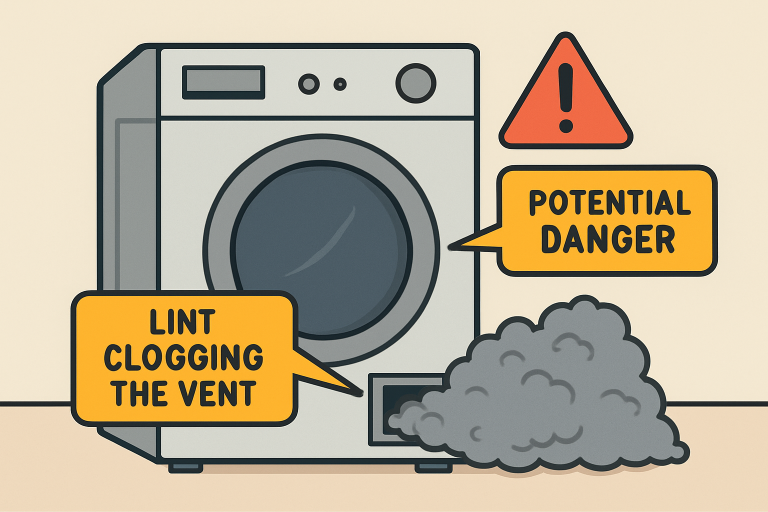
One of the earliest signs of a blocked dryer vent is a noticeable increase in the time it takes to dry a load of laundry. Lint clogging the vent restricts airflow, preventing moisture from escaping efficiently. As a result, clothes may remain damp even after a standard cycle, requiring you to run the dryer for an extended period of time. Not only does this reduce your appliance’s lifespan, but it also wastes significant amounts of energy.
Overheating and Burning Smells
If you feel unusual heat radiating from your dryer or smell a burning odor, these are urgent warnings of a potentially hazardous lint buildup. Lint is highly flammable, and overheating can quickly lead to ignition. Should these symptoms arise, stop the machine immediately and have the vent inspected. Unaddressed, these conditions can escalate into a serious fire hazard. Consumer Reports highlights the importance of prompt action in such situations. Regular maintenance and professional cleanings can help prevent these risks and keep your appliance running efficiently. Staying proactive not only protects your home but also extends the life of your dryer.
Visible Lint Accumulation
It’s normal to have some lint in the trap after each cycle, but when you notice excessive lint buildup around the dryer or near the external vent opening, it’s a clear sign that your venting system isn’t working efficiently. Clogged ducts not only impede proper airflow but can also create blockages that further increase the risk of fire. Regularly checking outside vents as well as around the base of your dryer helps spot this issue early.
Unusual Noises or Vibrations
Strange noises or excessive vibrations, especially those that are new or worsening, can indicate that the vent system is struggling with obstructions. These blockages force the dryer to work harder, placing strain on internal components and sometimes causing parts to malfunction prematurely. If your dryer suddenly sounds different, a blocked vent may be the culprit.
Increased Energy Bills
Have you noticed a sudden increase in your home’s energy costs with no apparent explanation? Blocked vents cause your dryer to work longer and harder, resulting in longer running times and increased energy consumption. This inefficiency can quickly translate to more expensive bills every month, chipping away at your household budget until the vent is cleaned correctly.
Hot Laundry Room
If your laundry room becomes unusually hot or humid when the dryer is in operation, impaired venting may be to blame. Properly functioning vents direct hot, moist air outside. When these pathways are blocked, excess heat and humidity linger indoors, reducing comfort and indicating a problem that needs swift attention.
Musty Odors
Musty or unpleasant smells on your clothes or inside your laundry area are another sign of restricted venting. Moisture that can’t escape creates a damp environment ideal for mold and mildew growth, which not only damages clothing but can also affect indoor air quality. Left unchecked, mold growth can become a significantly larger and more costly problem to resolve, as outlined by the U.S. Environmental Protection Agency. Addressing venting issues early can help prevent long-term damage and costly repairs. Regular maintenance and professional inspections are simple steps that go a long way in keeping your laundry area safe and efficient.
Lint Flap Not Opening
The exterior vent cover, commonly referred to as the lint flap or vent hood, should open freely during dryer operation. If it remains closed, airflow is seriously restricted, indicating a clogged or blocked vent line. A quickly checked and often overlooked symptom, a stuck lint flap is a sure sign it’s time for a thorough vent cleaning.
Why Regular Cleaning Matters
Regular dryer vent cleaning is one of the simplest ways to protect your home against fire hazards and maintain appliance performance. A thousand home fires are attributed to clogged or dirty dryer vents each year. With routine maintenance and attention to early warning signs, these risks are almost entirely preventable.
When to Call a Professional
Some vent issues can be managed with at-home cleaning, but many blockages are located deep within ductwork and require specialized tools for safe removal. If you experience any of the above signs or it has been more than a year since your last cleaning, consider scheduling an inspection with a professional. Their expertise ensures the job is done safely and thoroughly.