Comparing Oʻahu Neighborhoods: What to Consider Before Buying a Home
Table of Contents
- The Right Home Starts With the Right Area
- Step 1: Define the Lifestyle That Matters Most
- Step 2: Compare Home Types and Ownership Costs
- Step 3: Test the Commute at Realistic Hours
- Step 4: Review Flood, Storm, and Insurance Considerations
- Step 5: Compare Daily Convenience
- Step 6: Compare Market Conditions by Neighborhood
- Step 7: Match the Neighborhood to Your Buyer Goals
- A Simple Neighborhood Scorecard
- Common Mistakes to Avoid
- Questions to Ask Before Making an Offer
- Final Takeaway
Buying a home on Oʻahu means choosing more than a floor plan or view. Your neighborhood can shape the rhythm of every day, from commute time and parking to weather exposure, access to beaches, and the errands that fit into a normal week. Two homes with similar asking prices can create very different ownership experiences depending on their location, condition, ownership type, and monthly costs.
Buyers who want a neighborhood-level perspective can consult Honolulu, HI real estate experts Team Hawaii Real Estate. Team Hawaii Real Estate presents its website as a resource for buyers, sellers, and investors, with home search tools, buyer and seller guides, and neighborhood information spanning Honolulu and communities across Oʻahu, including areas such as Kailua, Kāneʻohe, Hawaiʻi Kai, Kapolei, Mililani, Waikīkī, and Ewa Beach. That local focus can help turn broad research into a more practical search based on property type, lifestyle, and location.
The Right Home Starts With the Right Area
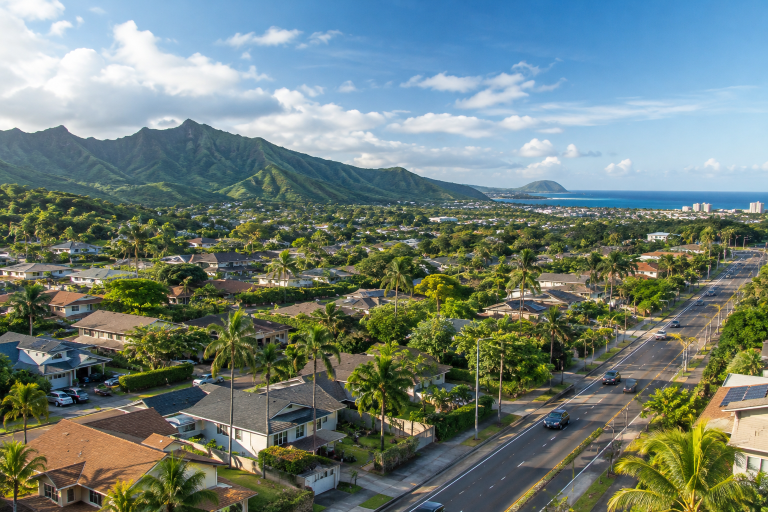
Photos and a quick weekend showing rarely reveal the whole picture. A peaceful street at midday may handle traffic differently during the morning commute. A beautiful hillside setting may require more attention to drainage, retaining walls, or access. Before falling in love with a listing, compare each neighborhood through the same lens: daily routine, complete ownership cost, hazard exposure, convenience, and resale flexibility.
Step 1: Define the Lifestyle That Matters Most
Start with the household, not the listing feed. Decide whether your priority is urban access in Honolulu, a quieter residential setting, room for pets, beach proximity, outdoor space, or a shorter drive to work. Consider remote-work needs, aging relatives, children, future household changes, and how long you expect to own the property. Separate nonnegotiables, such as bedroom count or elevator access, from preferences that can be adjusted.
Step 2: Compare Home Types and Ownership Costs
Compare like with like. A detached home, townhome, condominium, and multi-unit property may carry very different responsibilities even when their prices appear close. Build a monthly estimate that includes principal and interest, property taxes, insurance, utilities, parking, maintenance, and association fees where applicable. For a condominium, review maintenance fees, reserve funding, master insurance coverage, meeting minutes, and any discussion of future repair work or special assessments. A lower purchase price does not automatically mean a lower monthly payment.
Step 3: Test the Commute at Realistic Hours
Drive or ride the route at the times you would actually use it. Test the morning trip, afternoon return, and a weekend errand run. Check practical access to workplaces, schools, medical care, grocery stores, major roads, and transit. On an island where a route can have limited alternatives, a manageable map distance can still feel demanding when traffic builds. Make the trip before making an offer.
Step 4: Review Flood, Storm, and Insurance Considerations
Ask specific questions about the property, not just the neighborhood. Check drainage paths, nearby streams, low-lying roads, steep slopes, coastal conditions, roof age, plumbing, electrical systems, and retaining walls. Use the official flood hazard information for a property address as one starting point, then discuss insurance requirements and coverage options with qualified professionals. Flood maps are useful, but they do not replace inspections, disclosure review, or an assessment of how water moves through the particular lot.
Community context also matters. The Oʻahu Neighborhood Board system can provide a window into local discussions involving road work, drainage, development, parks, and other issues that may affect daily life. Review recent agendas and meeting information, but treat them as one research tool rather than a prediction of future outcomes.
Step 5: Compare Daily Convenience
Visit each contender during the day, evening, and weekend. Notice sidewalk conditions, lighting, street parking, noise, traffic flow, and odors. Map the places you will use repeatedly, including groceries, pharmacies, schools, parks, beaches, and health care. Also look beyond the property line for active construction, vacant land, road projects, or commercial activity that could influence the setting over time.
Step 6: Compare Market Conditions by Neighborhood
Island-wide figures can hide meaningful differences between communities and property types. For a useful 2026 comparison, review recent closed sales of similar homes in the same area, rather than mixing condos with detached homes or comparing an oceanfront property with an inland one. Look at current inventory, days on market, sale-to-list relationships, price reductions, and pending activity. Active listings show competition, while closed sales show what buyers have actually paid. A neighborhood can be competitive for one type of home and more negotiable for another.
Step 7: Match the Neighborhood to Your Buyer Goals
- First-time buyers: Focus on total monthly cost, transportation needs, and flexibility if life plans change.
- Families: Consider bedroom layout, parks, activity access, school options, and room to adapt.
- Remote workers: Evaluate workspace, internet options, noise, and dependable daily routines.
- Military households: Weigh commute patterns, likely relocation timing, and future resale appeal.
- Investors: Review rental rules, operating costs, insurance, maintenance, and realistic income assumptions.
- Retirees: Prioritize medical access, walkability, elevators where needed, and manageable upkeep.
A Simple Neighborhood Scorecard
Give each area a score from one to five, then write a short note explaining the score. Rate monthly housing cost, commute, home condition, insurance and hazard exposure, access to daily services, noise and privacy, resale potential, and overall lifestyle fit. The notes matter as much as the numbers because they reveal which tradeoffs you are genuinely comfortable making.
Common Mistakes to Avoid
- Choosing solely because a listing has the lowest asking price.
- Judging an area from one short vacation-style visit.
- Ignoring association documents, insurance changes, or maintenance obligations.
- Comparing different ownership types as though they carry identical costs.
- Assuming every street in a large community has the same traffic, noise, or appeal.
- Skipping inspections, disclosures, and document review.
Questions to Ask Before Making an Offer
- Which recent closed sales are most comparable to this home?
- What are the complete monthly ownership costs?
- Are there known flood, drainage, structural, or insurance concerns?
- What planned projects or nearby changes should I understand?
- What rules affect parking, renovations, occupancy, or rentals?
- How might this property appeal to a future buyer?
Final Takeaway
The best Oʻahu neighborhood is not necessarily the most famous or the least expensive. It is the one that fits your budget, routine, risk tolerance, and long-term plans. A consistent comparison of costs, commute, condition, convenience, hazard exposure, and current neighborhood-level market activity can make the buying decision clearer and reduce unwelcome surprises after closing.