Common Plumbing Issues and How to Prevent Them
Key Takeaways
- Conduct routine plumbing maintenance and schedule inspections to avoid common and costly plumbing problems before they happen.
- Adopt proper usage and disposal habits in the kitchen, bathroom, and laundry to maintain a healthy and clog-free plumbing system.
- Early detection—by paying attention to subtle warning signs—can save hundreds of dollars by helping you address issues while they’re still minor.
Plumbing problems are among the most disruptive and stressful household emergencies, often occurring without warning and resulting in unexpected expenses if not addressed promptly. Common plumbing issues range from minor annoyances, such as a dripping faucet, to major disasters, including burst pipes that flood your home. By gaining a better understanding of frequent plumbing concerns and implementing practical preventive measures, homeowners can not only keep their plumbing systems running smoothly but also save considerable time, money, and frustration. Whenever problems persist, worsen, or seem beyond your DIY skills, reaching out to a qualified 24/7 plumbing specialist Annapolis ensures professional repairs and peace of mind, especially during emergencies when a fast response is critical.
Adopting a proactive maintenance schedule and developing mindful plumbing habits are essential for maintaining a well-functioning household. By identifying minor issues before they escalate into large-scale plumbing disasters, you not only reduce your risk of water damage and expensive repairs but also extend the lifespan of your plumbing fixtures and appliances. Small preventive actions can make a significant difference in maintaining household comfort and minimizing unexpected, disruptive repair bills.
1. Leaky Faucets
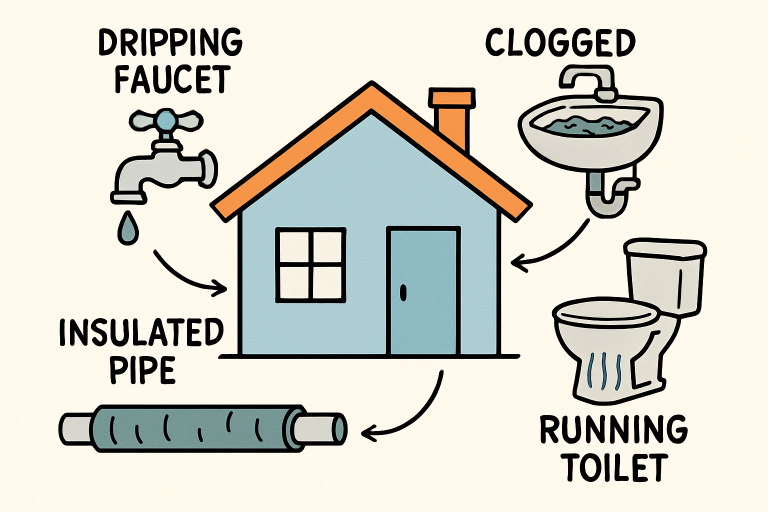
Leaky faucets are one of the most common household plumbing problems, and while easy to overlook, they can waste a significant amount of water and money over time. Most faucet leaks are caused by worn or cracked washers, gaskets, or O-rings within the faucet assembly. Continual dripping adds up quickly, often resulting in hundreds of gallons of wasted water per year, which drives up utility bills and puts unnecessary strain on your plumbing system.
Prevention Tips:
- Periodically examine all household faucets for drips, rust, or moisture around the base, and promptly replace worn washers, O-rings, or cartridges.
- Turn off faucets gently to prevent excessive wear and tear on internal components, as forceful shutting can damage seals.
- Have a professional plumber inspect your fixtures at least once a year for less obvious or hidden problems, especially if you have older plumbing.
2. Clogged Drains
Clogged drains, particularly in the kitchen and bathroom, are a frequent cause of slow drainage, unpleasant odors, and even localized flooding. Hair, food particles, soap scum, hygiene products, grease, and other debris can accumulate quickly inside pipes, forming stubborn blockages over time. According to The Spruce, unchecked clogs can eventually lead to complete drain obstructions or even pipe damage if water has nowhere to go, making early detection and maintenance essential.
Prevention Tips:
- Install mesh drain covers or strainers over every drain to trap hair, food scraps, and other particles before they can enter the plumbing system.
- Avoid pouring oil, grease, coffee grounds, or fibrous food waste down your kitchen sinks. Instead, collect them in a container and discard them in the trash.
- Flush drains regularly—at least once a month—with boiling water or a safe mix of baking soda and vinegar to dissolve early buildup before it becomes problematic.
3. Running Toilets
Running toilets are another major contributor to water waste, sometimes using hundreds of extra gallons each week if not promptly fixed. This problem is typically caused by worn-out flapper valves, malfunctioning fill valves, or float mechanisms that become stuck or misaligned. Left unchecked, continuous running weakens internal toilet parts and can lead to water seeping between the tank and bowl, causing unseen leaks and higher water bills.
Prevention Tips:
- Lift the lid on your toilet tank at least twice a year to check that all components, including the flapper and fill valve, are functioning smoothly and sealing properly.
- After every flush, ensure you hear the tank refill completely and that the water stops flowing. Any hissing or trickling is a sign that something needs attention.
- Use food coloring to check for sneaky leaks—drop a few dye drops in the tank, wait 15 minutes, and check the bowl for color transfer without flushing.
4. Low Water Pressure
Low water pressure can make everyday activities, such as showering or washing dishes, far less effective and enjoyable. Often, the cause is a buildup of mineral deposits in aerators or showerheads, corroded piping, hidden plumbing leaks, or a failing pressure regulator. If pressure changes suddenly, a blockage or underlying leak might be to blame.
Prevention Tips:
- Unscrew and clean faucet aerators and showerheads regularly to remove limescale and debris, and soak them in vinegar if the buildup is persistent.
- Stay vigilant for unexplained water spots, damp patches, or lower pressure in certain rooms—these may indicate a hidden leak inside walls or under floors.
- If your water pressure is consistently too high or too low, consult a plumber about installing or adjusting a pressure regulator to achieve optimal, steady flow throughout your home.
5. Water Heater Issues
Water heaters can malfunction due to internal sediment buildup, faulty thermostats, or worn heating elements, resulting in inconsistent hot water, unusual noises, and reduced efficiency. As minerals accumulate at the tank bottom, they restrict heat transfer, forcing the system to work harder and potentially damaging the tank or causing it to overheat and fail prematurely.
Prevention Tips:
- Drain and flush your water heater at least once a year to remove sediment. This simple task boosts efficiency, extends unit lifespan, and reduces the risk of overheating.
- Check the anode rod once every 1–2 years. This rod attracts corrosive minerals and should be replaced as soon as it looks heavily worn, preventing tank rust and leaks.
- Maintain your thermostat at 120°F—this is hot enough for most needs while also improving safety and reducing energy bills.
6. Burst Pipes
Burst pipes cause sudden water damage, mold growth, structural issues, and costly cleanup. Freezing temperatures, where water inside pipes turns to ice and expands, are one of the biggest culprits, but high water pressure, age-related corrosion, or poorly installed plumbing also increase the risk of rupture.
Prevention Tips:
- Wrap and insulate pipes in unheated spaces such as basements, attics, crawl spaces, and exterior walls, especially before winter begins.
- Keep your home’s heat at a minimum of 55°F at all times, even during vacation or overnight absences, to prevent freezing.
- On the coldest nights, open cabinets to let warm air circulate around exposed pipes, and allow sinks to drip gently to keep water moving.
7. Sewer System Backups
Sewer system backups are unpleasant and hazardous events that expose households to foul odors, contaminated water, and potential health threats. These issues typically result from improper items being flushed, major blockages, or tree roots infiltrating underground lines, and they require urgent professional attention to restore safe and sanitary conditions.
Prevention Tips:
- Only flush human waste and toilet paper. Dispose of wipes, paper towels, and hygiene products in the trash, as they don’t dissolve and can cause severe blockages.
- Have your main sewer line professionally inspected and cleaned every few years, or more often if your home has large landscaping trees or a history of backups.
- When planting trees or expanding landscaping, locate and avoid sewer lines to minimize the risk of invasive roots causing blockages or pipe breaks.
By making preventative maintenance a routine and adopting conscientious plumbing habits throughout your home, you can significantly reduce the risk of disruptive and costly plumbing issues. Early attention to warning signs and enlisting professional help for ongoing or urgent concerns ensures your plumbing system continues to operate efficiently, keeps your home safe, and protects you from unexpected repair expenses in the long run.