Common Legal Questions About Real Estate Transactions
Key Takeaways

- Clear, detailed real estate contracts reduce misunderstandings and disputes.
- Conducting title searches uncovers hidden issues that can affect ownership transfer.
- Failure to disclose known defects exposes sellers to potential litigation.
- Local zoning laws and permits directly influence how you can use and modify your property.
- Staying vigilant against fraud protects both buyers and sellers from significant losses.
Real estate transactions can be overwhelming due to the numerous legal details and obligations they entail. Whether you’re buying, selling, or investing, it is crucial to understand your rights and responsibilities from the outset. Enlisting the services of a real estate lawyer can make the process smoother by addressing potential legal pitfalls, ensuring that paperwork is in order, and safeguarding your interests as the deal progresses.
From contract negotiations to closing day, every step requires vigilance. Poorly drafted contracts, unresolved title issues, undisclosed property conditions, and inadequate permitting are just a few issues that can jeopardize your transaction. Being aware of these common legal challenges will help you avoid costly mistakes and future disputes.
Moreover, legal regulations vary by state, and what is standard in one location might be handled differently elsewhere. Recognizing local disclosures, common scams, and environmental regulations will prepare you for a successful, litigation-free real estate experience. With proper legal guidance, risks are mitigated, and you can focus on securing your next investment or home.
What Should Be Included in a Real Estate Contract?
A robust real estate contract outlines all key details of your transaction, including the agreed-upon purchase price, timelines, contingencies related to inspections and financing, and official disclosures. Leaving terms ambiguous or open to interpretation increases the risk of disagreements or litigation if expectations aren’t met. Consulting a commercial real estate lawyer to draft or review the contract helps ensure your agreement is comprehensive and that your interests are well-protected. Their expertise can also help identify potential legal pitfalls before they become costly issues. Taking this proactive step provides peace of mind and strengthens your position throughout the transaction.
How Can Title Issues Affect a Real Estate Transaction?
A thorough title search is crucial before closing any real estate deal. This investigation checks for undisclosed liens, easements, or prior ownership claims that could disrupt your ability to take a clear title. In states like Pennsylvania, unresolved title defects often complicate or halt transactions until they are corrected. Select a reputable title company and consider purchasing title insurance for added protection.
What Are the Disclosure Requirements for Sellers?
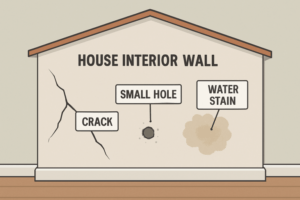
Sellers are generally required to disclose all known material defects—such as water damage, pest infestations, or foundation cracks—that could influence the buyer’s decision or property value. Non-disclosure is a significant source of lawsuits following the closing. Requirements differ by state, but complete transparency regarding the property’s condition is always best practice. This builds trust and reduces the chances of post-sale litigation.
How Do Zoning Laws and Permits Impact Property Use?
Zoning laws determine whether a property can be used for residential, commercial, or mixed purposes; they may also restrict the types of construction and business operations that can be conducted on the property. Before renovating or repurposing a property, it’s essential to understand your local zoning regulations. Investopedia offers a comprehensive explanation of zoning ordinances and their impact on property use. Verify that planned changes comply with local codes and secure the necessary permits. In some states, unapproved modifications have led to costly fines and delayed closings, making thorough upfront research and disclosure essential.
What Are Common Scams in Real Estate Transactions?
Real estate scams have become increasingly sophisticated, ranging from fraudulent listings and fake wire requests to identity theft via AI-generated deepfakes. Always verify the identity of each party you are dealing with—ask for live video calls with official photo ID. Never send funds to unverified accounts, and coordinate closely with your closing company to spot red flags. The FBI offers more tips on avoiding real estate fraud on its white-collar crime guidance page.
Staying informed about the latest scam tactics can help you protect your investment and personal information. Consulting a commercial real estate lawyer can provide an extra layer of security by reviewing contracts and verifying the legitimacy of transactions.
How Can Environmental Concerns Affect Property Value?
Health and safety hazards, such as lead paint, asbestos, or groundwater contamination, can negatively impact property value and potentially nullify a sale. Before closing, conduct an environmental assessment if you suspect any risk factors. If environmental hazards are found, negotiate remediation as a contract contingency or reconsider your purchase. Non-disclosure may also expose the seller to lawsuits and strict regulatory penalties.
What Steps Should Be Taken to Ensure a Smooth Closing Process?
A successful closing requires that all obligations are met, including funding, contract contingencies, and property condition verification. Review all closing documents for accuracy, ensuring that no outstanding issues with the title or unresolved repairs remain. Delays often stem from last-minute disputes or financing setbacks; proactive planning and good communication are key to avoiding these roadblocks.
Why Is Legal Counsel Important in Real Estate Transactions?
A legal expert ensures all documents and processes adhere to state and federal law while protecting your interests in contract negotiations, title reviews, and closing. From drafting to dispute resolution, having a skilled attorney on your side provides peace of mind and effective risk management, especially in intricate or high-value transactions.
By preparing for these legal questions and challenges, buyers, sellers, and investors can confidently manage their real estate transactions, minimizing risk and ensuring compliance at every step.