Common Drywall Repair Issues Homeowners Face
Key Takeaways
- Recognize common drywall issues, including cracks, holes, water damage, and poor repairs.
- Understand how environmental factors and installation errors contribute to these problems.
- Explore repair methods that ensure your walls remain visually appealing and structurally sound.
Drywall forms the backbone of most modern home interiors, providing a neat and resilient finish for walls and ceilings. Despite its durability, it is not immune to issues that can mar the appearance and integrity of your living spaces. Homeowners often encounter a few familiar problems that, left unaddressed, risk further damage. When these issues arise, knowing where to turn for professional drywall repair can make a substantial difference in maintaining your home’s value.
Whether caused by daily wear and tear, environmental shifts, or moisture, prompt action is essential. Awareness of common drywall issues and their remedies helps keep your home looking its best while preventing bigger repairs down the road.
Over time, even careful homeowners may face drywall problems. From minor imperfections to significant water or mold damage, hiring qualified drywall repair contractors is often needed to address repairs properly and avoid recurrence.
Cracks in Drywall
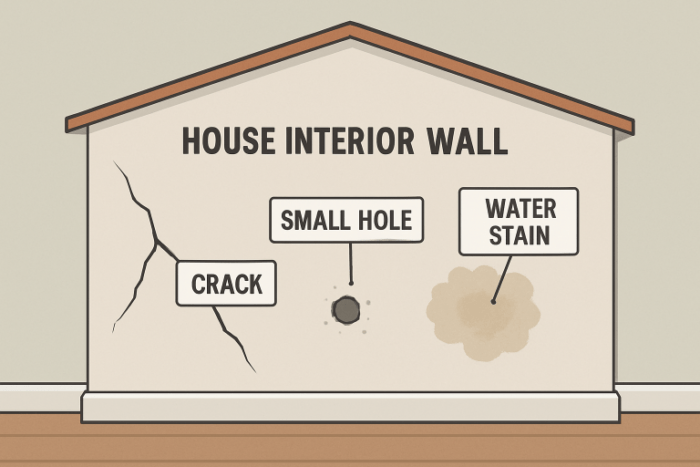
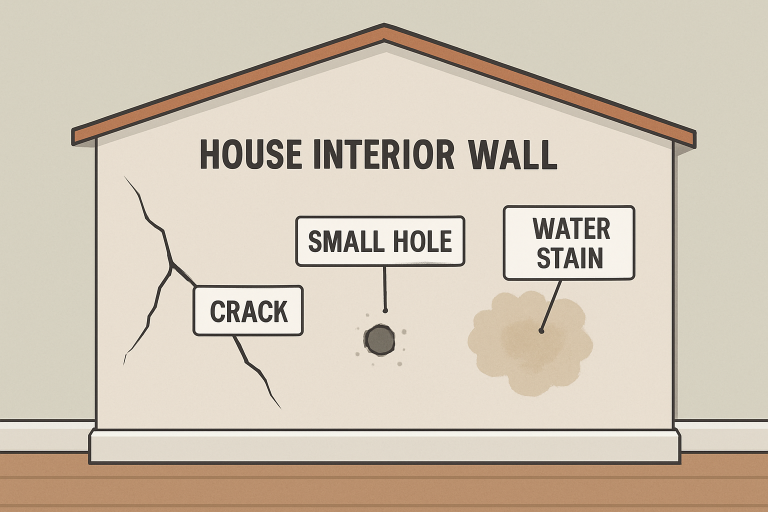
Cracks are among the most visible and frequent drywall issues. They often develop around doors, windows, or seams, largely due to the natural settling of the building or to shifts in temperature and humidity. Hairline cracks are usually not serious and may only need some patching and paint. However, if cracks widen over time, it could signal a deeper structural problem requiring professional assessment. Regularly monitoring crack patterns can help determine whether immediate action is needed. For more on the causes of structural movement, visit Dummies.
Nail Pops
Nail pops present as small bumps or visible fasteners that pierce through the drywall surface. They occur when the nail or screw holding the drywall in place loosens, typically due to the contraction and expansion of the wood framing. This often leads to minor cracks or raised areas. Repair usually involves reseating the fastener and applying joint compound to conceal the repair before repainting. Addressing humidity and ensuring proper installation helps prevent nail pops from recurring.
Holes and Dents
Everyday activities or minor accidents often result in holes or dents. These can originate from doorknobs, moving furniture, or other inadvertent impacts. Small holes, such as those left by nails or screws, are simple to fix with spackle or joint compound. Larger holes may require inserting a patch, followed by finishing with joint compound. Meticulous sanding and painting are key to ensuring the repair blends seamlessly into the surrounding wall.
Water Damage
Water damage signs include discoloration, bubbling, sagging, or an overall softening of the drywall. Common causes range from roof or pipe leaks to persistent high humidity. Before repairing the drywall, it is crucial to identify and eliminate the source of moisture; otherwise, the problem will recur and could lead to mold growth. For widespread damage, replacing the affected drywall is the safest solution. Learn more about preventing home water damage at Forbes Home.
Peeling Tape and Joint Issues
Drywall seams are covered by tape and joint compound during installation. Over time, especially if exposed to dampness or shifting frames, this tape may peel off, revealing unsightly seams and cracks. To effectively repair, remove the peeling tape, reapply joint compound, and embed new tape, then sand and paint for a smooth, even finish. Proper ventilation helps prevent this issue by minimizing trapped moisture behind the wall.
Texture Inconsistencies
After a repair, matching the texture of the existing wall can be tricky. Differences in texture draw attention to patches and can diminish the visual appeal of interior spaces. Techniques such as stippling with a sponge or knocking down compound with a drywall knife enable better blending. Practice on a spare piece first, gradually feathering out the edges to achieve a consistent result. Texture repair tips can be found at Bob Vila.
Mold Growth
Unchecked water damage or high-humidity environments can promote mold growth behind or on the drywall. Not only does mold damage the surface, but it can also pose health risks, especially for people with respiratory sensitivities. Mold remediation starts with removing the affected drywall, treating the area with an antimicrobial cleaner, and correcting ventilation issues to avoid future outbreaks.
Poor Previous Repairs
In some cases, subpar repairs can cause more problems than the original damage. Visible seams, patchy paint, or rough surfaces often result from using the wrong materials or methods. Investing in quality repairs performed by trained professionals helps ensure that issues do not recur and that the wall’s appearance is restored to its original condition.
Staying vigilant about drywall maintenance helps homeowners address minor issues before they escalate. With periodic inspections and corrective action, walls and ceilings remain beautiful and sturdy. When in doubt, seeking help from experienced professionals helps preserve your home’s safety and appeal for years to come.