Alcohol License & Rewards Programs: What Liquor Store Owners Need to Know Legally
Liquor stores nowadays are implementing loyalty programs to boost sales and build lasting customer relationships. Alcohol is one of the most heavily regulated retail categories in the United States, and these regulations affect how retailers can plan and promote the rewards.
A liquor store loyalty program that does not align with state Alcohol Beverage Control (ABC) regulations may be subject to fines, penalties, or, in severe cases, license action depending on the jurisdiction.
Complying with a legal foundation is not optional. The right loyalty program can make your business, and the wrong one can break it.
Understanding Alcohol Licensing Basicss
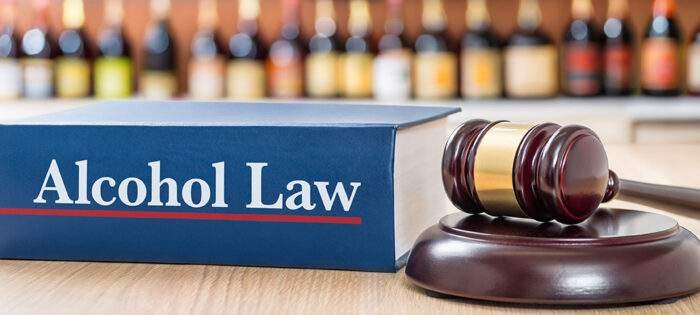
An alcohol retail business must comply with highly complex licensing frameworks in the US, and every licensing decision directly shapes what promotions a liquor store rewards program can legally offer.
What Is an Alcohol License?
An alcohol license is a government-issued permit authorizing businesses to sell, serve, or distribute alcoholic beverages within regulations.
The type of license determines how they can sell or market.
Alcohol licenses vary by state and jurisdiction but commonly include categories such as:
- Retail liquor license authorizes a store to sell packaged alcohol for off-site consumption. This license mainly forms the legal baseline for any liquor store loyalty program or promotional structure.
- Off-premise license permits sales of sealed alcohol to take home. It’s similar to retail licenses that govern how a liquor store rewards program can offer discounts.
- On-premise license authorizes the sale of alcohol for immediate consumption at the licensed location, such as a bar or restaurant.
- Beer and wine licenses are restricted permits that authorize the sale of only beer and wine, excluding spirits. Grocery and convenience stores hold these licenses with tighter promotional restrictions.
- Full spirits licenses authorize the sale of all alcoholic beverages and spirits and must meet the highest compliance requirements when building a liquor store loyalty program.
Why Your License Determines What Promotions You Can Offer
The ABC alcohol license is not just a permit but a detailed rulebook for every promotion the store can run. Ignoring the rules can turn a well-planned liquor store rewards program into a liability.
- Promotional restrictions vary by state alcohol control boards and often prohibit certain types of offers outright, like buy-one-get-one deals on spirits, free product giveaways, or rewards structured as direct discounts on alcohol purchases.
- Happy hour restrictions are tricky, where many states restrict or ban time-limited drink specials, even for off-premise retailers running app-based flash promotions. Such promotions in certain states trigger penalties.
- Discount limitations under certain state frameworks may prohibit sales below cost or restrict promotional pricing under tied-house and fair trade regulations. Retailers using liquor store loyalty programs offering points and discounts must confirm that they do not violate state minimum pricing.
- Advertising limitations tied to ABC alcohol license conditions frequently restrict how, where, and to whom alcohol promotions can be communicated. Some states require promotional materials to include specific disclaimers, while others limit digital advertising to audiences verified as being of legal drinking age.
- State-specific compliance is administered by state and differs from state to state. Retailers operating across multiple locations must build compliance checks into their loyalty platform workflows, meeting the specific requirements of each state’s alcohol serving license framework.
Why Liquor Store Loyalty Programs Require Special Legal Consideration
Alcohol is a licensed and regulated product that faces promotional conditions based on the license and location, as governed by state Alcohol Beverage Control (ABC) boards. A liquor store loyalty program that doesn’t consider these rules may face fines, license suspension, or revocation.
Public health legislation influences the design of promotion, preventing encouragement of excessive consumption through promotion.
State minimum pricing laws add another constraint, restricting how deeply an ABC alcohol license holder can discount alcohol across all discount mechanisms.
Age verification is non-negotiable, and liquor store loyalty programs must confirm legal drinking age at enrollment and at every redemption point online and offline.
Marketing limitations affect how and where promotions can be distributed. Digital campaigns, short message service (SMS) alerts, and app-based push notifications must reach only verified legal-age audiences, with language that does not violate state advertising restrictions.
Types of Rewards That Are Usually Permitted
Not every reward type is at risk. Several structures are accepted in the most state alcohol licensing frameworks.
1. Store Points
Offering purchase-based points and redeeming them for discounts is one of the most used and permitted liquor store rewards program structures, as it rewards loyalty without directly discounting alcohol.
2. Future Purchase Discounts
Issuing discount coupons for future purchases is generally permissible rather than reducing price at checkout under most ABC alcohol license frameworks.
3. Birthday Rewards
Sending a member a non-cash reward or bonus points on their birthday is a low-risk tactic that most state boards do not restrict as long as it is not a direct discount on alcohol.
4. Member-Only Pricing
Offering discounts to enrolled liquor store loyalty program members is allowed and generally treated as standard pricing practice rather than a regulated promotion.
5. Non-Alcohol Product Rewards
Rewards redeemable on non-alcohol items like mixers, glassware, branded merchandise, or snacks carry the lowest compliance risk among any liquor store rewards program, as they fall entirely outside alcohol-specific promotional regulations.
Promotions That May Be Restricted or Illegal
Several rewards are considered legally problematic under most alcohol-serving license frameworks and should be reviewed with legal counsel before use.
1. Free Alcohol Giveaways
Offering free alcohol as a promotional reward is prohibited in most states under ABC alcohol license conditions, classifying alcohol giveaways as unlicensed distribution.
2. Unlimited Alcohol Discounts
A liquor store rewards program offering unlimited or uncapped discounts on alcohol purchases can violate minimum pricing laws and tied-house rules that are enforced to prevent predatory pricing.
3. Drinking Contest Promotions
Promotions designed for volume consumption, like rewarding the highest purchase over a period, are prohibited under most alcohol-serving license rules, as they encourage excessive drinking.
4. Rewards Encouraging Excessive Consumption
A liquor store loyalty program awarding more points for purchasing larger quantities within short timeframes is considered incentivizing overconsumption, which is a violation of public safety obligations attached to the ABC alcohol license.
5. Instant Alcohol Coupons
Instant-redemption coupons that directly reduce the price of alcohol at checkout are restricted or banned in multiple states.
Compliance Risks That Can Put a Liquor License at Risk
A liquor store loyalty program without the right compliance controls puts the business at six specific regulatory risks that can trigger license review.
- Serving or Selling to Minors: A liquor store rewards program that lacks age verification at enrollment or point of redemption creates a direct compliance gap.
- Improper Promotional Advertising: Marketing a liquor store loyalty program with improper language or through channels that reach underage audiences digitally constitutes a promotion violation.
- Illegal Discount Structures: Rewards offering instant discounts on alcohol instead of deferred incentives can breach minimum pricing requirements.
- Failure to Verify Customer Eligibility: Automated promotions sent to all enrolled members without checking legal drinking age eligibility risk distributing alcohol-related offers to ineligible recipients, which regulators view seriously.
- Poor Loyalty Recordkeeping: Authorities may request records of promotions, redemptions, and customer eligibility verifications during audits. A liquor store loyalty program with no audit trail falls under non-compliance.
- Inconsistent Employee Training: Staff who apply loyalty rewards incorrectly at the point of sale, where ineligible redemptions are accepted or age verification is missed, create a risk for the business under non-compliance.
How a POS-Integrated Loyalty Program Supports Compliance
A liquor store loyalty program built on a point-of-sale (POS) platform that integrates with compliance automatically enforces the regulations.
1. Automated Age Verification Prompts
Liquor store reward program integrated with POS enforces age verification at enrollment and every redemption, preventing underage sales and closing the compliance gap.
2. State-Specific Pricing Controls
Compliance-ready loyalty platforms enable retailers to configure promotion rules and discount caps according to alcohol-serving license conditions of each operating state, preventing violation of rules.
3. Promotion Eligibility Rules
POS-integrated systems can restrict which reward types apply to alcohol and non-alcohol products, filtering the promotion of the liquor store rewards program to match ABC alcohol license conditions.
4. Audit Logs & Digital Reporting
Every reward issued, redeemed, or declined through a POS-integrated liquor store loyalty program is logged with a timestamp, transaction record, and customer profile reference, providing a reviewable audit trail required at compliance inspections.
Best Practices for Running a Legally Compliant Rewards Program
A compliant liquor store rewards program is built with consideration and decision in accordance with the regulations.
1. Review State Regulations First
Every promotion must be designed as per specific rules instead of general retail marketing standards that may not meet the regulation.
2. Consult Legal Counsel
The full liquor store rewards program design should be reviewed by an attorney, which includes reward types, discount mechanisms, and advertising copy, before launching.
3. Use Compliance-Friendly Loyalty Software
Choose a loyalty platform that offers a liquor store rewards program compliant with age verification integration, promotional eligibility controls, and audit logging.
4. Separate Alcohol and Non-Alcohol Rewards
Design a liquor store loyalty program where points earned on alcohol purchases can only be redeemed against non-alcohol items, reducing the risk of direct alcohol discount.
5. Document Every Promotion
Record every campaign, coupon, and redemption event run through the liquor store rewards program, including start and end dates, eligible products, and customer eligibility criteria, in case of regulatory audit.
6. Audit Loyalty Rules Regularly
Review the full liquor store loyalty program details regularly against current ABC alcohol license conditions, as state alcohol boards update promotional restrictions and minimum pricing rules periodically.
7. Train Employees Frequently
Train your staff at POS on how to apply loyalty rewards, verify customer eligibility, and flag ineligible redemptions that prevent human errors that most liquor store rewards program violations stem from.
8. Monitor Regulatory Updates
Designate a compliance owner within the business to monitor state alcohol boards’ guidance updates and conditions of alcohol-serving license conditions and act on those updates as they occur.
Conclusion
A liquor store rewards program enables a store to gain repeated visits and customer lifetime value when it’s built, complying with the legal framework the ABC alcohol license imposes. Alcohol promotion rules differ significantly by state, and what works in one jurisdiction may constitute a violation in another.
Retailers who design their liquor store loyalty program with compliance-first structures, strong age verification, and responsible marketing practices build a program that grows revenue without putting the license and business at risk.