Preventing Costly Plumbing Emergencies at Home
Key Takeaways
- Regular inspections and maintenance can prevent major plumbing issues.
- Proper usage of plumbing fixtures extends their lifespan and functionality.
- Seasonal preparations are crucial to protect pipes from extreme temperatures.
- Knowing the location of shut-off valves can minimize damage during emergencies.
Table of Contents
- Regular Inspections and Maintenance
- Proper Usage of Plumbing Fixtures
- Seasonal Preparations
- Emergency Preparedness
Plumbing disasters often strike with little warning, leaving homeowners scrambling to deal with water damage, repairs, and unexpected expenses. The good news is that most plumbing emergencies can be prevented with proactive care and practical routines. By investing in regular maintenance, such as a plumbing system tune-up Oahu, and being mindful of best practices, you can help safeguard your property and avoid unnecessary headaches. This comprehensive guide offers straightforward strategies and actionable steps to maintain a healthy plumbing system. Equip yourself with the knowledge to stop issues before they escalate and ensure your home remains safe and comfortable year-round.
Regular Inspections and Maintenance
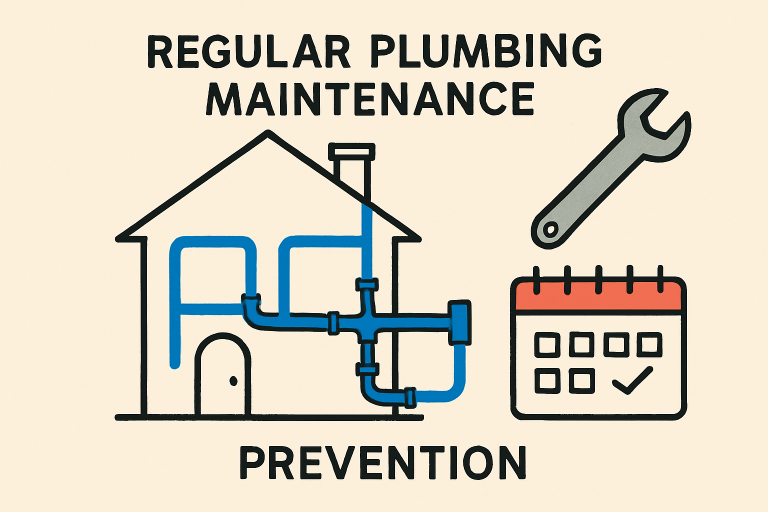
Consistent, scheduled checks of your plumbing are essential for recognizing small issues before they become expensive emergencies. Routine inspections help identify leaks, corrosion, water pressure anomalies, and other early warning signs.
Schedule Professional Inspections
An annual visit from a licensed plumber is your first defense against undetected leaks, pipe corrosion, or failing joints. Experts can identify hidden issues and recommend cost-saving repairs before they escalate into major problems. Regular maintenance checks also extend the lifespan of your entire plumbing system.
Monitor Water Pressure
Excessively high water pressure can cause pipes to crack or leak. Install a pressure gauge and keep readings within the 40–60 psi range. If your pressure regularly exceeds this threshold, a pressure regulator is a wise investment. High water pressure often goes unnoticed until severe damage occurs, making this simple step a critical preventative measure.
Inspect for Leaks
Routinely check under sinks, around toilets, and along exposed piping for warning signs such as dampness, musty odors, or visible mold. Any unexplained moisture should be investigated promptly, as it can indicate slow leaks that, if left unaddressed, can cause both excessive water bills and damage to spiral out of control.
Proper Usage of Plumbing Fixtures
How plumbing fixtures are used on a day-to-day basis plays a huge role in the system’s health. Educating all household members on what should and shouldn’t go down drains or toilets, and adding simple accessories, can make a major difference.
Use Drain Screens
Sinks and shower drains benefit from mesh or perforated screens that trap hair, food scraps, or other debris. These inexpensive items prevent clogs before they start and should be cleaned regularly.
Avoid Flushing Non-Flushable Items
Toilets are designed for the use of toilet paper and human waste only. Never flush wipes (even “flushable” kinds), feminine hygiene products, or paper towels, as these frequently create tough blockages further down the line.
Dispose of Grease Properly
Cooking grease hardens as it cools and can quickly clog pipes when poured down the drain. Always let fats solidify and collect them in a disposable container for disposal. This small habit helps prevent stubborn blockages and unnecessary service calls.
Seasonal Preparations
Extreme weather poses unique challenges for residential plumbing. Adjust your maintenance strategy based on the season to prevent the most common temperature-related issues.
Winterize Pipes
Freezing temperatures can cause exposed pipes to burst, resulting in severe water damage. Use insulation sleeves on vulnerable plumbing runs and consider heat tape for pipes in unheated spaces.
Maintain Water Heater
Flushing your water heater annually removes sediment that can hinder its performance and efficiency, helping the unit last longer and run more smoothly. As this appliance is used year-round, preventative maintenance is crucial.
Check Sump Pump Functionality
Before wet seasons or heavy rainfall, test your sump pump by pouring water into its pit. Ensure it powers on and drains water away quickly. Functional sump pumps are vital for preventing basement floods.
Emergency Preparedness
Even with robust prevention measures, it’s essential to be prepared for unexpected incidents. A few minutes of preparation can save you from extensive property damage and costly repairs.
Locate Main Water Shut-Off Valve
Every household member should know where the main shut-off valve is located so water can be quickly stopped in a crisis (e.g., burst pipe or major leak). Practice shutting it off, so there’s no delay during an emergency.
Keep Emergency Contacts Handy
Maintain an easily accessible list of reliable plumbing professionals to call in the event of urgent repairs. Quick access to experts can help resolve issues before they worsen. By integrating regular professional checkups, using fixtures responsibly, preparing for seasonal changes, and having robust emergency protocols in place, you can prevent the most expensive plumbing emergencies and enjoy the peace of mind that comes with a well-maintained system.