How Youth Sports Foster Teamwork, Discipline, and Lifelong Skills
Key Takeaways:
- Youth sports instill essential life skills such as teamwork, discipline, and leadership.
- Participation in organized sports is linked to improved physical health, mental well-being, and academic success.
- Engaging in sports fosters a sense of community and social responsibility among young athletes.
The Role of Youth Sports in Developing Teamwork
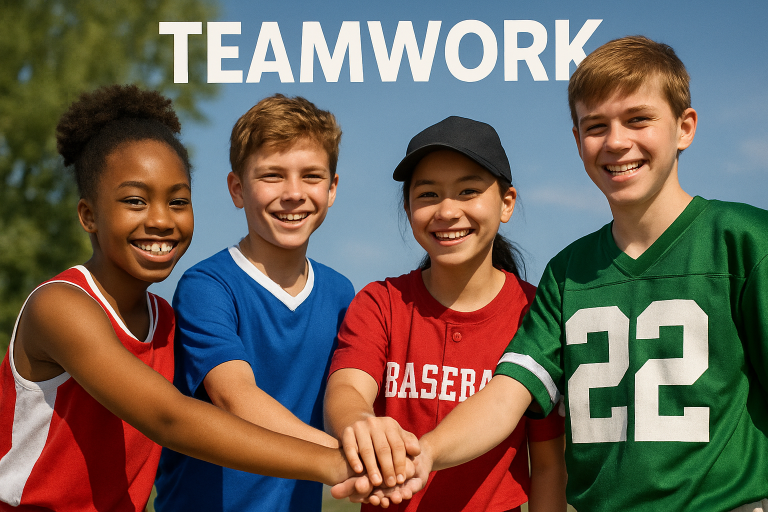
Participation in youth sports is much more than a physical challenge. It lays the groundwork for personal growth and social development. Team sports environments, such as those promoted by programs like Sharks Basketball Academy, emphasize collaboration. Children learn that teamwork means both helping others succeed and communicating effectively with their peers.
When young athletes work together to achieve a shared goal, they form bonds that often transcend the game itself. Whether passing a ball, planning strategies, or cheering from the sidelines, every child gets to experience what it means to be valued and relied upon. For many, these early lessons in working together create habits that encourage positive social interactions well into adulthood.
Participation also improves conflict resolution skills. On the field, disagreements are inevitable, but athletes quickly learn to resolve issues respectfully to move forward as a team. This ability to negotiate and cooperate is vital in school settings, future workplaces, and personal relationships.
Team sports environments further foster empathy and understanding, especially when children come from diverse backgrounds. Working side by side encourages them to appreciate one another’s unique strengths, setting the stage for inclusive communities.
Leadership Skills Cultivated in the Field
Sports encourage youth to step into leadership roles regardless of their position on the team. These moments, like volunteering for a tough play, motivating teammates after a loss, or setting a good example, help children develop confidence and accountability.
Athletic environments allow for different leader archetypes to emerge, from vocal team captains to those who inspire through quiet discipline and effort. Coaches’ guidance further reinforces positive leadership behaviors and helps young athletes see themselves as capable of making an impact on others. According to Psychology Today, cultivating these skills early on benefits future academic, professional, and personal success.
Physical and Mental Health Benefits
The benefits of youth sports extend beyond the scoreboard. Physical activity supports healthy weight, sleep habits, heart function, and the development of strong muscles and bones. Children who participate in sports are less likely to experience chronic diseases and more likely to enjoy longer, healthier lives. Additionally, physical activity is known to boost mood, reduce symptoms of anxiety and depression, and promote emotional stability.
Sports participation also helps children build mental resilience. They gain confidence through skill mastery and become adept at managing pressure and setbacks. A study published by ScienceDaily found that involvement in organized sports is associated with improved self-esteem and lower stress levels, both of which are crucial during periods of growth and change.
Academic Success Linked to Sports Participation
Children who are active in sports typically exhibit improved concentration, discipline, and motivation in their academic pursuits. Numerous studies show a correlation between sports participation and better grades, higher graduation rates, and greater college enrollment. The time management and goal-setting skills honed on the field or court translate into effective study habits and academic perseverance. According to The Nation’s Health, these skills can have a lasting impact on lifelong learning.
Building a Sense of Community and Social Responsibility
When children are part of a sports team, they become members of a community where encouragement, accountability, and mutual support are the norm. Team members often form close bonds with their peers, coaches, and even family members who cheer them on from the sidelines. This sense of belonging reduces feelings of isolation and increases self-worth.
Youth sports also encourage broader community engagement. Many teams participate in service projects, fundraisers, and local events, nurturing a spirit of empathy and social responsibility. Children learn early that their actions can have a positive impact, setting the foundation for responsible citizenship.
Long-Term Impact of Youth Sports Participation
The values and skills learned through youth sports create lasting benefits. Former athletes often report that teamwork, discipline, leadership, and perseverance continue to serve them in their careers, relationships, and personal challenges. Whether collaborating on a work project, managing a household, or facing adversity, the mental and physical foundations built through sports provide an enduring advantage.
These lifelong benefits demonstrate that youth sports are not just extracurricular activities but powerful vehicles for character development and long-term well-being.
Final Thoughts
Youth sports offer much more than a fun way to stay active. They foster critical life skills and contribute to the overall development of children and teenagers, shaping successful, well-rounded adults. By supporting and encouraging youth to participate in organized sports, parents, educators, and community leaders are investing in a brighter, healthier, and more socially responsible future.