The Different Types of Water Filtration Systems and Their Best Uses
Table of Contents
- Activated Carbon Filters
- Reverse Osmosis Systems
- Ultraviolet (UV) Purifiers
- Ion Exchange Filters
- Distillation Systems
- Whole-House Filtration Systems
- Key Considerations for Choosing a System
- Conclusion
Access to clean, safe water is an essential foundation for any healthy household. With contaminants finding their way into public and private water supplies, choosing the right water filtration system can make a significant difference for you and your family. Whether you’re looking to improve taste, remove harmful substances, or protect your plumbing, knowing which system fits your needs will help you make the best choice. For those seeking expert water filtration systems Utah, it’s wise to learn the options and benefits these systems offer before making a final decision.
Each type of water filtration system is designed to target specific challenges, from common chlorination of municipal water to harder-to-remove minerals and microbial threats. By better understanding your water source and household priorities, you’ll be able to support your health, prolong the life of your appliances, and enjoy better-tasting water throughout your home. Even if you’re working with municipal tap water that meets legal standards, filtration can further optimize its quality and safety.
Activated Carbon Filters
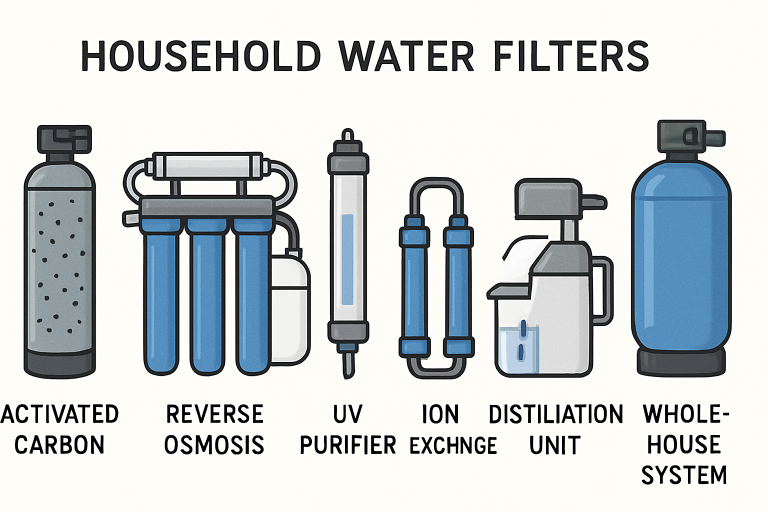
Activated carbon filters are one of the most common and affordable ways to improve your water’s clarity, taste, and odor. These filters operate through adsorption; contaminants like chlorine, organic compounds, and certain pesticides stick to the porous carbon surface as water passes through. While ideal for reducing chemical taste, odor, and some organic pollutants, they are less useful for removing minerals, heavy metals, or dissolved inorganic compounds. These filters generally require regular replacement to maintain optimal performance, making them a low-maintenance and cost-effective option for many households.
Reverse Osmosis Systems
Reverse osmosis (RO) systems feature a semi-permeable membrane that removes a broad spectrum of contaminants, including heavy metals, bacteria, viruses, and mineral salts. The process forces water molecules through the membrane, blocking larger molecules and impurities, which are then flushed away. RO systems provide a high level of purification and are especially useful where water safety is a concern. One drawback of this system is that it can waste some water during the filtration process, and the thorough removal of minerals means essential elements might be lost, requiring possible re-mineralization.
Ultraviolet (UV) Purifiers
Homes with well water or those concerned about microbial contaminants may find ultraviolet (UV) purification indispensable. UV purifiers use high-intensity ultraviolet light to kill bacteria, viruses, and other pathogens. This process neutralizes harmful microorganisms without adding chemicals or changing the water’s taste or odor. However, UV systems are primarily effective for biological threats; they do not remove chemical pollutants, heavy metals, or dissolved solids. As such, they’re often paired with other filtration methods to achieve comprehensive water treatment.
Ion Exchange Filters
Ion exchange filters are common in areas where hard water causes scaling and appliance wear. These filters swap trouble-causing calcium and magnesium ions for sodium or potassium ions. This softens water and protects your plumbing, improving the performance and longevity of appliances like dishwashers and water heaters. Depending on the cartridge composition, ion exchange can also be used to address other ions, such as nitrate or sulfate. An ion exchange filter can transform the household quality of life for those noticing hard water buildup or looking for softer water for daily activities.
Distillation Systems
Distillation systems offer high purity by mimicking the natural process of evaporation and condensation. Water is heated to boiling, and the resulting steam is captured and condensed, leaving behind most contaminants—including bacteria, viruses, and heavy metals. This method produces very pure water but requires significant energy and can be relatively slow compared to other methods. It’s best suited for situations where ultra-purified water is necessary or where chemical and microbial contamination options are a concern.
Whole-House Filtration Systems
Whole-house filtration systems, sometimes called “point-of-entry” systems, treat water as it enters your home, ensuring every faucet and showerhead delivers filtered water. These systems often combine multiple technologies—such as sediment filters, activated carbon, and even UV purification—to address various contaminants. The primary benefit is total coverage: you get cleaner water everywhere in your home, improving air moisture during showering, and protecting appliances from scale damage. While the upfront cost and installation effort are larger, the convenience and protection are unmatched.
Key Considerations for Choosing a System
Selecting the right water filtration solution begins with understanding your water’s unique characteristics. Test your water to identify specific contaminants, and consider your budget, household size, and whether you want filtration at just a single tap or throughout your entire home. Each technology suits different priorities: taste improvement, microbial safety, scale reduction, or ultra-purity.
Conclusion
Choosing the right water filtration system protects your family’s health, plumbing, and peace of mind. From activated carbon that enhances taste to comprehensive whole-house systems, each technology has a vital role depending on your specific needs. Careful assessment and the right information will ensure the water flowing into your home is as clean and safe as possible.