Seasonal HVAC Maintenance: Why It Matters and What to Do
Key Takeaways
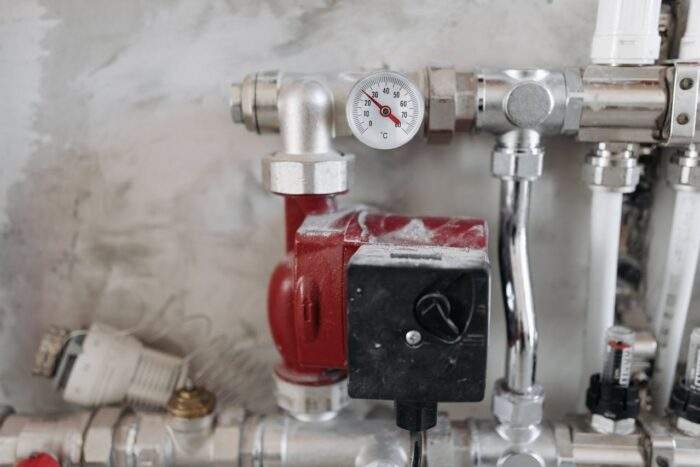
- Regular HVAC maintenance can improve efficiency and extend the system’s lifespan.
- Seasonal checks help to avoid costly repairs and uncomfortable breakdowns.
- Homeowners can perform simple maintenance tasks, while others should be left to professionals.
Understanding the Importance of Seasonal HVAC Maintenance
Regular upkeep of HVAC systems guarantees that your heating and cooling units function efficiently all year. As the seasons change, your system faces different demands, from heating during winter to cooling in summer. Dirt buildup, worn-out parts, and clogged filters can reduce performance and increase energy costs. Seasonal check-ups help identify and fix minor issues before they turn into costly repairs.
Air conditioning units, in particular, need proper care before the hot months arrive. A well-maintained system cools your home effectively and prevents sudden breakdowns during peak summer heat. Maintaining or replacing air filters, checking refrigerant levels, and setting the thermostat are all essential for optimal operation. Regular upkeep not only maintains a comfortable home environment but also extends your HVAC system’s lifespan, helping you steer clear of surprise expenses.
Why Heating and Cooling Systems Need Regular Care
Overlooking routine HVAC maintenance can lead to many issues, emphasizing the need for consistent care. Each element of your system, from the heat pump to the cooling fan, is under strain during high-demand seasons. Winter usually burdens the heating components, while summer demands exert extra pressure on the cooling system. Minor problems can quickly escalate without regular maintenance into significant issues, causing system breakdowns at inopportune times. This disrupts comfort and can become a financial burden due to emergency repair costs.
Essential Steps for DIY Maintenance
- Change Air Filters Regularly: Air filters are your first defense against poor air quality and system inefficiency. Blocked filters limit air circulation, causing your HVAC system to work harder to stabilize temperatures, resulting in more significant wear and elevated energy costs. Establish a habit of inspecting and changing filters every one to three months.
- Clear Debris: To allow your outdoor unit to operate effectively, the area around it should be clear of leaves, grass, and other debris. A cluttered unit can trap heat and impede performance, causing increased energy consumption and potential damage over time.
- Check Thermostat Settings: Modern thermostats can be programmed to adjust temperatures based on your household’s occupancy and schedule. Adjusting your thermostat configurations to align with the current season can conserve energy and guarantee comfort.
Engaging in these simple maintenance tasks can lead to noticeable improvements in system efficiency.
When to Call the Professionals
Despite the prowess of a skilled DIY enthusiast, specific scenarios necessitate professional intervention. Observing symptoms such as inconsistent temperature control, unusual noises, or an unexplained surge in energy bills can indicate underlying issues requiring professional diagnostics and repairs. Professional technicians conduct thorough inspections, balancing refrigerant levels and addressing worn-out components, preventing minor problems from escalating into expensive repairs.
Cost Implications of Neglecting Maintenance
It may be tempting to view yearly maintenance as unnecessary; however, neglecting these routine examinations can result in significant financial consequences. A poorly performing HVAC system consumes additional energy to reach the intended temperature, producing higher electricity costs. Furthermore, lack of maintenance accelerates wear on parts, increasing the likelihood of requiring costly repairs or even complete system replacements sooner than expected. The economic benefits of routine maintenance far outweigh the costs, safeguarding your comfort and wallet in the long run.
Long-term Benefits of Regular HVAC Check-ups
Beyond immediate utility bill savings, regular maintenance offers extensive long-term benefits. A well-maintained HVAC system operates more subtly, ensuring quiet, consistent performance with fewer disruptions. Indoor air quality also sees improvement as clean filters and ducts circulate healthy air throughout your home. The combination of these factors creates a more pleasant living environment and contributes to the extended lifespan of your system, allowing you to benefit fully from your HVAC investment.
Conclusion: Investing in Comfort and Efficiency
Seasonal HVAC maintenance is a sound investment in your system’s efficiency and lifespan. By taking a proactive approach to maintenance and requesting expert assistance as necessary, you can ensure a comfortable living environment throughout the year. Prioritizing this critical component of home maintenance guarantees that you have dependable and effective heating and cooling systems throughout the year, free of unpleasant surprises.