Essential Steps for First-Time Homebuyers
Table of Contents
- Assess Your Financial Health
- Understand Mortgage Options
- Save for a Down Payment
- Get Pre-Approved for a Mortgage
- Find the Right Home
- Make an Offer and Negotiate
- Conduct a Home Inspection
- Close the Deal
Embarking on the journey to homeownership brings both excitement and uncertainty, especially if it’s your first time navigating the process. Understanding each key step helps simplify what can initially seem daunting, providing a clearer path to owning your first home. Whether you’re dreaming of spacious suburban retreats or browsing Wellington, FL, homes for sale, knowing what to expect will make your experience smoother and more successful.
Wise preparation and awareness of the details involved can help you avoid common pitfalls and ensure you make confident, informed decisions every step of the way. This guide walks you through each stage—from assessing your financial readiness to finally receiving the keys—so you can approach the homebuying process with clarity and peace of mind.
Assess Your Financial Health
Before stepping into the housing market, take a critical look at your finances, including income, debts, and monthly expenses. This honest self-assessment not only builds your confidence but also helps you determine what you can comfortably afford, minimizing the risk of future financial stress. Begin by checking your credit report and score, as lenders use them to determine loan eligibility and interest rates. Maintaining a score above 700 typically results in the most favorable terms, but don’t let a score in the 600s discourage you—there are still options available.
Most financial advisors recommend that your total monthly housing costs—including mortgage, insurance, and taxes—should not exceed 28% of your gross monthly income. Building a realistic budget that includes savings for maintenance and unexpected repairs will help ensure your long-term financial health after moving in.
Understand Mortgage Options
Today, lenders offer a wide array of mortgage products tailored to different buyer needs. Conventional loans typically require higher credit scores and larger down payments but may have lower interest rates. FHA loans, insured by the Federal Housing Administration, feature more flexible qualifying criteria and down payment requirements, making them well-suited for first-time buyers. Veterans and active-duty military members may qualify for VA loans, which require no down payment and offer competitive terms. Researching your options—and consulting with mortgage professionals—can help you identify the loan that best fits your situation.
Save for a Down Payment
Saving for a down payment is one of the biggest hurdles for first-time buyers. While some loans allow you to put down as little as 3%, contributing 20% or more will eliminate private mortgage insurance (PMI) and potentially lower your monthly payments. The earlier you begin setting aside funds, the more achievable your goal becomes—especially if you automate direct deposits into a dedicated savings account. First-time homebuyer programs and government grants can also help by providing down payment assistance or reduced rates, so check local and national programs for opportunities to maximize your savings.
Get Pre-Approved for a Mortgage
A mortgage pre-approval is more than just an estimate of your borrowing power—it’s a critical step in establishing credibility with sellers and agents. During pre-approval, a lender reviews your credit, income, and debt, then provides a letter stating the amount you’re eligible to borrow. This not only refines your search parameters but also puts you a step ahead of buyers who aren’t pre-approved. According to the Consumer Financial Protection Bureau, pre-approval makes your offer more attractive in a competitive market.
Find the Right Home
Securing the right home is about more than just price and aesthetics. Start by considering your priorities: Do you value a short commute, good schools, or nearby amenities? Research neighborhoods, evaluate local property appreciation trends, and consider both your current and future needs. Visiting open houses, touring prospective homes, and engaging with local real estate professionals can provide valuable insight. Make a checklist of your “must-haves” versus “nice-to-haves” to stay focused during your search.
Make an Offer and Negotiate
When you’ve found a property that fits your criteria, it’s time to make an offer with the guidance of your real estate agent. Your agent will help you craft a competitive yet reasonable offer based on market analysis and recent comparable sales. Expect some negotiation on price and terms—such as move-in dates and who pays certain closing costs. Including contingencies, like financing and inspection, protects you from unforeseen circumstances and strengthens your negotiating position.
Conduct a Home Inspection
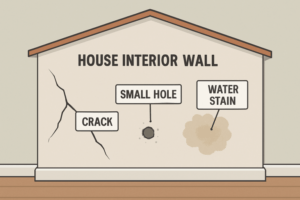
Before finalizing the purchase, hire a licensed home inspector to evaluate the property’s structure, systems, and potential issues. A thorough inspection often reveals defects that aren’t visible during initial walkthroughs, such as hidden water damage, electrical issues, or roofing concerns. Depending on the findings, you may negotiate repairs or ask for a concession before closing. Skipping this step can be costly, so treat it as non-negotiable for your protection.
Close the Deal
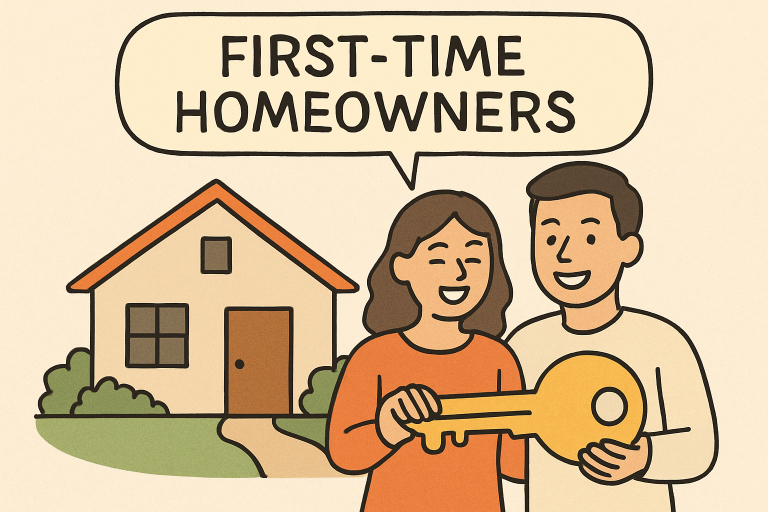
During closing, you’ll finalize your mortgage, sign numerous legal documents, and settle all associated fees and costs. Carefully review every document and ask questions if anything’s unclear. Once everything is signed and the funds are transferred, you’ll receive the keys to your new home—officially marking the end of a rewarding journey and the beginning of a new chapter.
Approaching your first home purchase with patience, preparation, and the right information makes the process less intimidating and more rewarding. Understanding each phase ensures you’ll make smart, informed decisions and turn your dream of homeownership into reality.