Can You Be Charged with Battery Without Physical Contact?
Key Takeaways
- Battery charges can result from indirect actions that lead to harmful or offensive contact, even without physical touch.
- Laws and definitions vary by state, making it essential to understand local statutes.
- Intent and the lack of consent play significant roles in battery cases.
- Legal consequences can be severe, and seeking professional legal consultation is crucial.
Table of Contents
- Understanding Battery Charges
- Indirect Contact and Battery
- Legal Precedents
- State-Specific Laws
- Intent and Consent
- Potential Consequences
- Defending Against Battery Charges
- Conclusion
Understanding Battery Charges
Battery is most often associated with unlawful physical contact between two people, but the law is broader than that common perception suggests. Generally, battery is defined as any unlawful and intentional act resulting in harmful or offensive contact with another individual. Notably, some states do not require actual physical touch for an act to be legally considered battery. Even indirect actions that lead to such contact—like throwing an object—may fall under this definition. For those seeking clarity on this topic, brianhobbslaw.com provides practical guidance on battery-related questions and legal defense.
Courts in many jurisdictions consider both physical and non-physical acts if they result in offensive contact. The law recognizes that harm or offense can occur through actions that do not involve skin-to-skin contact—whether through using an object as an extension of oneself or orchestrating circumstances that result in unwanted touch. Understanding how these principles apply can be critical when facing accusations or seeking justice.
Indirect Contact and Battery
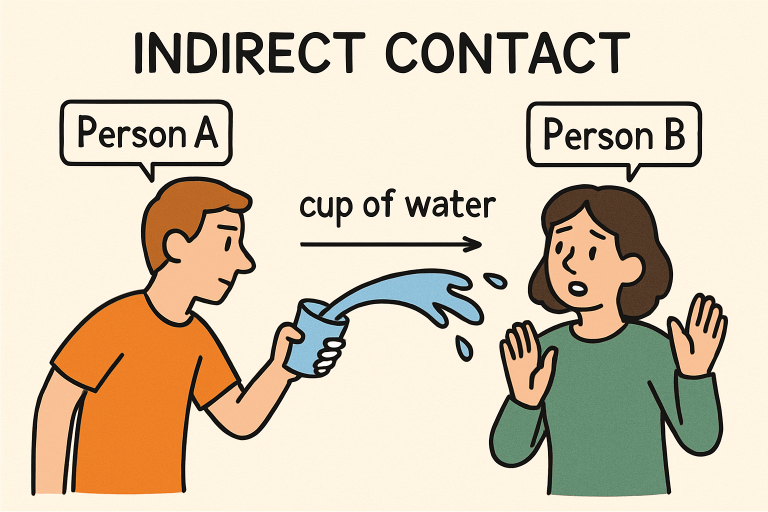
The concept of battery extends to indirect scenarios, including when an object or substance is used to cause harm or offense. Classic examples involve throwing a rock, spitting, or even setting in motion a series of events that lead to unwanted contact with another person. The legal focus is not solely on the touch but on the outcome: whether it produced an offensive or harmful result through intentional action. This principle helps ensure that individuals cannot evade responsibility simply because they did not touch the victim with their own hands.
The intent to make contact that is harmful or offensive remains crucial. For instance, placing a harmful substance on an object one knows a victim will touch, or orchestrating a prank meant to cause harm, are both scenarios where battery charges may apply—even though there was no direct physical act.
Legal Precedents
Over time, courts across the United States have shaped the interpretation of battery laws through significant cases. In many states, precedents have established that actions such as splashing water on a person, intentionally blowing smoke in someone’s face, or hurling items at them can meet the threshold for battery. For example, legal commentary highlights that in Florida, an individual who intentionally causes an object to strike another can be charged with battery regardless of physical contact. More details on how these scenarios play out in the courtroom can be found in authoritative sources such as Cornell Law School’s Legal Information Institute. These rulings illustrate that battery is not limited to direct physical blows but can include a wide range of intentional and offensive acts. As a result, even seemingly minor conduct may carry serious legal consequences when it is deemed purposeful and harmful under the law.
State-Specific Laws
The way battery is defined and prosecuted varies from state to state. In California, under Penal Code Section 242, battery is the “willful and unlawful use of force or violence” upon another person. This broad language encompasses indirect forms of force or violence. Other states may use slightly different language, but commonly include both direct and indirect actions under their battery statutes. Therefore, anyone facing such an accusation should seek information specific to their jurisdiction, as this can significantly influence defense strategies and potential outcomes.
Intent and Consent
To secure a battery conviction, prosecutors must demonstrate intent. It isn’t enough that contact occurred—the individual must have knowingly engaged in conduct aimed at causing harm or offense. Mistakes, accidents, or involuntary movements generally do not lead to criminal liability.
The victim’s consent is equally pivotal. If the contact was not offensive, or occurred within the bounds of accepted norms—such as during competitive sports or other consensual activities—it may not be considered battery, even if some harm results. The legal focus remains on unwanted, offensive, and intentional contact.
Potential Consequences
Battery charges carry significant legal penalties. Even without direct physical contact, a guilty verdict may result in fines, community service, probation, or imprisonment. Beyond the immediate criminal penalties, those convicted could face lasting consequences, such as difficulty finding employment, restrictions on professional licensing, and reputational harm. In cases of aggravated battery—where the action results in serious injury or involves a vulnerable victim—the law typically mandates enhanced penalties.
The long-term impact of having a battery conviction on one’s record cannot be understated. In addition to employment and housing-related obstacles, convicted individuals may lose certain civil rights. This is why it’s critical to take any battery charge seriously and seek competent legal representation without delay.
Defending Against Battery Charges
Several legal defenses exist for those accused of battery. These may include proving that the contact was accidental, that the accused acted in self-defense or defense of others, or that the alleged victim gave explicit consent to the contact. In situations involving conflicting accounts, witness testimony or surveillance footage may prove crucial. It’s imperative to consult with an experienced criminal defense attorney who can analyze the specific facts and tailor a strong defense.
Conclusion
Individuals may be surprised to learn that charging batteries doesn’t always require direct physical contact. The law is designed to protect people from all forms of intentional harm or offense, whether carried out by hand or by indirect means. If you are facing such accusations or wish to understand your rights and obligations better, researching state-specific laws and seeking guidance from a qualified attorney are vital. Additional resources from national publications provide helpful overviews and updates on evolving legal interpretations.