Benefits of Modern Vehicle Upfits for Businesses
Key Takeaways
- Vehicle upfits significantly enhance organizational efficiency and storage capabilities.
- Advanced safety features and ergonomic improvements protect staff and valuable equipment.
- Company branding on upfitted vehicles acts as continuous, effective mobile advertising.
- Technological integrations, including telematics, support more innovative fleet management and productivity.
- Electric vehicle (EV) upfitting merges sustainability with operational cost savings.
In a rapidly evolving business landscape, companies continually seek ways to enhance efficiency, improve safety, and increase visibility. For organizations that rely on transportation, investing in modern upfits can be a game-changing decision. Customizing vehicles to better align with operational requirements not only transforms them into essential business tools but also opens up opportunities for streamlining daily workflows and improving profitability.
Whether you operate a delivery service, a construction firm, or a field service business, incorporating upfits into your fleet delivers a measurable competitive advantage. These modifications, ranging from shelving to advanced connectivity, offer a new level of productivity and protection for your personnel and assets. As industries grow more dynamic, businesses that embrace upfitting are those that will maintain a higher standard of service and stand out in their markets.
Custom upfits also create flexible, scalable solutions that adapt as your business expands or diversifies. Beyond improved functionality, upfitting supports drivers and technicians by reducing physical strain and enabling quick organization. As companies seek innovative solutions to manage costs and maximize fleet utility, upfits offer a holistic approach to getting the most out of every vehicle on the road.
It’s also important to consider the support role of services such as a mobile mechanic when integrating advanced upfits. Ensuring your investment is maintained and repaired by skilled professionals ensures prolonged reliability and return on investment.
Enhanced Organization and Storage Solutions
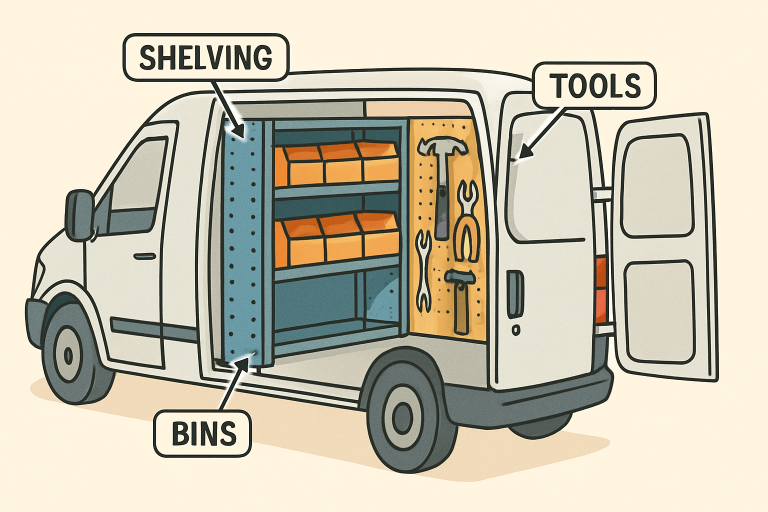
One of the most immediate benefits of vehicle upfits is optimized storage and organization. Tailored shelving, racks, bins, and drawers make it easy for staff to locate and store every tool and part safely. Businesses, such as plumbers, electricians, and HVAC technicians, can quickly access their inventory, reducing delays during critical work. The strategic use of interior space also leads to higher payload efficiency, allowing crews to carry more gear without compromising safety or exceeding load ratings. According to Forbes, streamlined vehicle interiors directly lead to improved productivity and safer transport of goods and tools.
Improved Safety Features
Employee safety and asset protection are non-negotiables for any business. Modern upfits include a range of safety advancements such as backup cameras, blind-spot monitoring, additional lighting, ergonomic steps, and sturdy handrails. By reducing blind spots, improving night-time visibility, and minimizing workplace injuries, these features make every job site safer. Ergonomic upgrades reduce wear and tear on staff, lowering the risk of accidents and enhancing job satisfaction. Enhanced vehicle safety also lowers the risk of costly downtime due to injuries or accidents, a key driver in total fleet cost control.
Mobile Marketing and Brand Visibility
Every trip your vehicle makes becomes an advertising opportunity when upfits include professional branding. Custom wraps, decals, and consistent company colors transform your fleet into mobile billboards, enhancing community visibility and reinforcing brand trust wherever the vehicle travels. Well-branded vehicles convey reliability, attention to detail, and professionalism—qualities that distinguish businesses from their competitors. Studies from Inc. show that branded vehicles can generate thousands of impressions daily, making mobile marketing a powerful and cost-effective promotional strategy.
Integration of Advanced Technology
Today’s upfits often incorporate innovative technologies that provide unprecedented visibility and efficiency in fleet management. Telematics systems provide real-time insights on vehicle location, driver behavior, fuel consumption, and maintenance alerts. Fleet managers utilize this data to optimize routes, ensure compliance, and schedule timely maintenance, thereby reducing overall costs and minimizing vehicle downtime. Additionally, features such as onboard power inverters and WiFi enable technicians to work efficiently from any location, streamlining service delivery and client communication, even in the field.
Customization for Electric Vehicles
As electric vehicles (EVs) gain traction, upfitting these units presents new opportunities for enhancing business efficiency and sustainability. Lightweight, durable materials balance out battery load, while custom EV interiors accommodate unique storage and workflow requirements. Integration with vehicle-to-load (V2L) systems enables the vehicle’s battery to power external tools and devices, extending versatility and reducing reliance on job site power. For companies committed to green initiatives, EV upfits reduce emissions and operational costs while demonstrating leadership in environmental responsibility.
Cost Considerations and Return on Investment
The initial expenditure for quality upfits can be substantial, but the long-term payback is evident. Enhanced efficiency translates to quicker job completion and the ability to handle increased workloads with the same assets. Investments in safety lower insurance claims and workforce turnover, while professional branding generates consistent leads with no recurring advertising expense. Assessing the total cost of ownership, including maintenance, downtime, and asset longevity, reveals that upfits often deliver a strong return on investment and create pathways for future business expansion.
Conclusion
Embracing vehicle upfits empowers businesses to work smarter, safer, and more visibly in a crowded marketplace. From optimizing cargo organization and fortifying workforce safety to leveraging tech integrations and sustainable options, upfitting is a strategic investment. As industries and technologies advance, having a robust upfit strategy will remain a key factor in maintaining operational excellence and enhancing overall profitability.