How Solar Power Is Transforming Homes and Reducing Energy Bills
Key Takeaways
- Solar panels provide substantial savings on annual energy costs and can eliminate bills for some homeowners.
- Significant federal tax incentives exist to reduce the initial cost of solar systems.
- Modern technological advancements make solar more efficient, accessible, and easier to monitor for the average homeowner.
- Accessible options, such as community solar, allow you to benefit from solar power without a rooftop installation.
Solar energy is dramatically improving how homeowners approach their energy needs, introducing a reliable, cost-saving, and sustainable solution for the modern household. As families search for ways to reduce utility expenses and boost their home’s value, an investment in solar power is increasingly popular. Thanks to the growing availability of experienced local providers, such as a solar panel installation contractor, turning to solar has never been easier or more rewarding.
From significant reductions in monthly electricity bills to the opportunity to take advantage of federal incentives, solar energy offers numerous financial, environmental, and practical benefits. Technology continues to make solar systems more efficient and user-friendly, enhancing their impact and accessibility. Homeowners across regions are beginning to recognize solar’s role not only in personal savings but also in broader efforts to cut carbon emissions and promote resilience in the face of changing energy markets.
Financial Benefits of Solar Energy
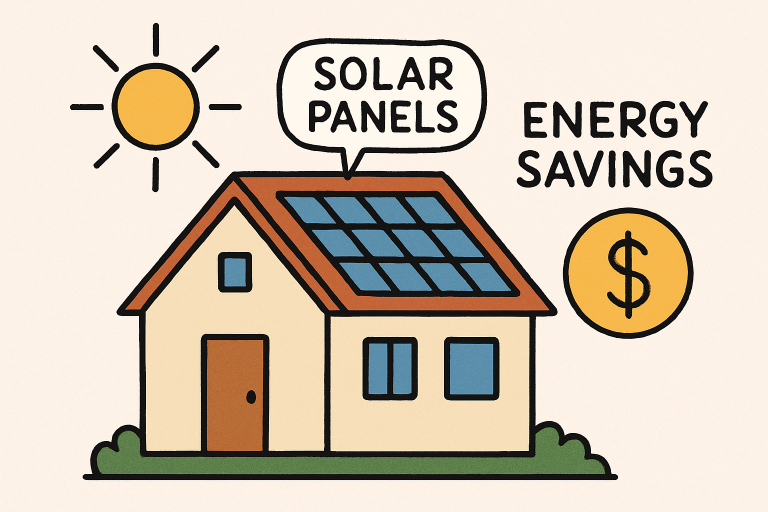
Adopting solar energy can yield impressive economic returns for homeowners, both in the short term and the long term. According to the U.S. Department of Energy, solar panel systems can generate annual savings of $1,000 to $1,500. These reductions help most homeowners recoup their upfront investment within about a decade. Over a typical 25-year system lifespan, homeowners can expect lifetime savings of $25,000 to $45,000, depending on local utility rates and sunshine levels. Solar homes also attract higher sale prices. Studies have shown that listings featuring solar panels sell more quickly and typically command a premium of around $15,000, comparable to adding other valuable upgrades like bathrooms or modern kitchens.
This increase in property value is even more pronounced in active real estate markets, where buyers are increasingly interested in sustainability features. States with excellent solar policies, such as California and Arizona, are seeing especially strong demand for energy-efficient homes.
Even homeowners in less sunny regions can still benefit, particularly when optimized system design and federal incentives are combined. These factors combine to make solar adoption feasible for millions of American families each year.
Federal Incentives and Tax Credits
The federal government encourages solar adoption through the Solar Investment Tax Credit (ITC), which allows homeowners to deduct 30 percent of the cost of installing a solar system from their federal taxes. This incentive can dramatically lower the initial investment barrier and enhance the return on investment, especially when combined with other state and local rebate programs. In effect, the ITC remains one of the strongest drivers of nationwide residential solar growth.
Technological Advancements in Solar Energy
Major improvements in efficiency, reliability, and convenience define today’s solar technology. Innovations such as high-efficiency photovoltaic cells, smart inverters, and the integration of artificial intelligence are reshaping how homeowners capture and use energy. AI-driven systems, for example, can analyze weather data and adapt energy use in real time, maximizing stored energy on cloudy days and optimizing household usage patterns. Easy-to-use smartphone apps empower homeowners to track production and consumption, enabling precise control and significant extra savings.
Community Solar Projects
For those unable or unwilling to install rooftop solar panels, community solar offers a practical and affordable way to participate in the renewable energy movement. Community solar programs let individuals subscribe to off-site solar farms and receive credits on their electricity bills. This model is essential for renters and those with shaded or unsuitable roofs, bridging the gap and making clean energy mainstream. According to the U.S. Environmental Protection Agency, these community solar projects are expanding rapidly, and capacity is expected to double by 2028 due to federal and state initiatives.
Environmental Impact
Each solar installation helps reduce a household’s carbon emissions. On average, solar panels offset more than 900 kilograms of CO₂ each year for a typical home. The environmental payback time, a measure of the time it takes a solar system to offset the emissions generated during its manufacture and installation, is under 2 years. After this, the system continuously delivers clean, renewable power, contributing to the fight against climate change and complementing local utilities in building resilient electric grids.
Overcoming Energy Insecurity
Reliable access to affordable electricity is critical for stable households and communities. Solar systems can help address energy insecurity by providing homeowners and neighborhoods with a dependable source of power that is insulated from volatile utility rates. As more homes install solar, pressure on local utility infrastructure decreases, minimizing the frequency and impact of outages. This collective transition not only benefits participating homeowners but can lower costs and improve resilience for entire regions.
Conclusion
The move to solar energy is an investment with tangible financial, environmental, and social benefits. With lower costs, attractive incentives, and rapidly evolving technology, now is an ideal time for homeowners to partner with a trusted solar panel installation contractor and explore how solar power can transform both their energy bills and their contribution to a cleaner planet.